
The five rules that decide whether your Colorado water damage claim gets paid are: sudden and accidental damage is covered, gradual damage is not; flood damage requires separate coverage; you must mitigate and report promptly; the way you file decides how fast you get paid; and a denial is not the end of the road. Top 5 water damage insurance rules every Colorado homeowner should know is really a short list of the things adjusters check first, and almost every denied claim in this state fails on one of them.
We run water damage restoration Colorado calls every week, from frozen pipe bursts in Fort Collins to sump failures in Centennial, and we see the same five issues over and over. Below is what each rule actually means, what it costs you when it goes wrong, and how to file so the claim lands clean the first time.
Rule 1: Sudden and accidental damage is covered - gradual damage is not
Sudden and accidental water damage is covered under a standard Colorado homeowners policy; damage that accumulated slowly over weeks or months is almost always excluded. That single distinction is the most common reason a claim gets denied in this state, and it is the one homeowners argue about most.
A pipe that freezes and splits during a January cold snap is sudden. A supply line that has been weeping under the sink since last spring is gradual. The adjuster can tell the difference, and so can we - staining patterns, drywall swelling, and the condition of the cabinet base tell the story before anyone opens a moisture meter.
What counts as sudden and accidental:
- Burst or frozen pipe that fails overnight
- Washing machine hose that lets go mid-cycle
- Water heater tank that ruptures
- Toilet supply line that snaps at the fitting
- Ice dam that backs water under shingles during a thaw
What usually does not:
- A slow drip under a sink that has been staining the cabinet for months
- Grout and caulk failure that has been seeping into a shower pan
- A roof that has leaked through the same flashing for two winters
- Condensation and humidity damage in a crawl space
Here is the part homeowners miss: the exclusion applies to the source, not the damage. If a slow leak finally soaks your ceiling, the policy may cover the resulting damage while excluding the repair of the worn fitting itself. That is a fight worth having, and documentation is what wins it.
If you have had moisture in the same spot for a while, get it dried and documented now. Our team handles Basement Water Damage Restoration in Colorado for exactly this situation - we find the source, dry the structure, and give you the moisture readings and photos your adjuster will ask for.
Rule 2: Flood damage is not covered by homeowners insurance in Colorado
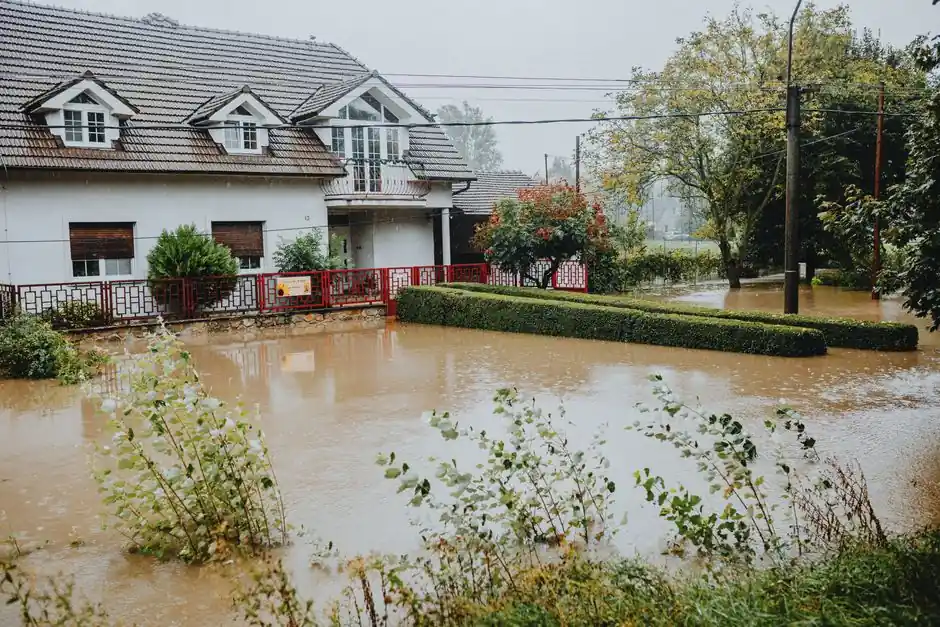
Flood damage is not covered by homeowners insurance in Colorado - you need a separate flood policy, usually through the National Flood Insurance Program or a private carrier. This surprises people every spring, especially along the Front Range, where a single afternoon of hail and rain can push a creek over its banks and into a basement that has never seen water.
"Flood" in insurance terms means water that came from the ground up or overflowed a natural source. That includes:
- River, creek, and arroyo overflow
- Surface water pooling against the foundation
- Mudflow carried by rising water
- Storm surge and overflow from a body of water
It does not include water that entered from inside the house, like a burst pipe or an overflowing tub. Those stay on the homeowners policy.
The gray area is where we spend a lot of time. Water that comes in through a window well during a downpour, or backs up through a floor drain when the city storm sewer surcharges, sits right on the line. Some policies cover sump pump overflow; some exclude it; some cover it only if you added the endorsement. Read that section of your policy before you need it, not after.
Two numbers worth knowing: standard flood policies carry a 30-day waiting period before coverage begins, and the NFIP maximum for a residential structure is $250,000. If you are in a mapped flood zone and you have been meaning to look into it, the 30-day clock is the reason not to wait until the forecast turns.
Rule 3: You have a duty to mitigate - and a deadline to report
Your policy requires you to take reasonable steps to prevent further damage, and Colorado policies typically require prompt notice of a loss - often within 30 days, sometimes sooner. Miss either one and the insurer can reduce or deny the payout, even on a claim that would otherwise be covered.
Mitigation is not a suggestion. It is a condition of coverage. In practice it means:
- Shut off the water at the main valve the moment you find the leak.
- Kill power to any wet area at the breaker if it is safe to reach.
- Move furniture, rugs, and electronics off the wet floor.
- Start drying - fans, dehumidifier, open windows if the weather allows.
- Photograph everything before you move it, and keep the wet materials until the adjuster has seen them.
Mold is the clock that matters most. In Colorado's dry climate, mold can still colonize wet drywall and carpet padding within 24 to 48 hours, and most policies cap or exclude mold remediation that results from a slow response. A $1,200 drying job can turn into a $9,000 tear-out if the structure sits wet for a week.
Reporting is the other half. Call your insurer the same day you find the water, get a claim number, and write down the name of everyone you speak with. If you are not sure whether the damage clears your deductible, report it anyway - a closed claim with no payout costs you nothing, and it protects you if the damage turns out to be worse than it looked.
When water is still standing, the fastest move is professional extraction. We run Emergency Water Removal in Colorado around the clock, and we document the loss the way carriers expect - moisture maps, photos, and a drying log that goes straight into your claim file.
Rule 4: How you file the claim decides how fast it pays
How you file a water damage insurance claim in Colorado determines how quickly it pays: report the loss the same day, document with photos and moisture readings before anything is removed, get a written scope of damage, and keep every receipt. Claims that arrive with clean documentation close in days; claims that arrive as a phone call and a vague description drag for weeks.
Here is the sequence that works:
- Stop the water and document. Photos of the source, the standing water, and every affected room.
- Call your carrier and open the claim. Get the claim number and the adjuster's contact in writing.
- Get the structure dried and the damage scoped. A written scope with moisture readings and affected square footage is the single most useful document in the file.
- Keep receipts. Hotel, fans, dehumidifier rental, and any emergency materials you had to buy.
- Meet the adjuster on site. Walk the damage with them. Point out what the moisture meter found behind the baseboard.
Typical 2026 pricing in this area runs $1,200 to $3,500 for a contained room with extraction and structural drying, and $6,000 to $18,000 or more when flooring, cabinetry, and drywall have to come out. Most Colorado homeowners carry a $1,000 to $2,500 deductible on water claims, so the math on whether to file is usually obvious once you have a real scope in hand.
One more thing: do not sign anything from a contractor who offers to "handle the whole claim" and asks you to sign over your benefits before you have seen a scope. You can hire us to dry the house and still manage your own claim. Plenty of our customers do exactly that.
Rule 5: What if your water damage insurance claim is denied in Colorado?
A denied water damage insurance claim in Colorado is not final - you can request the adjuster's written reasoning, file a formal appeal, and bring in a licensed restoration contractor's documentation to challenge the finding. Roughly a third of the denials we see get reversed once a proper moisture report and scope are submitted.
The denial letter will name a reason. The usual ones:
- Gradual damage. The insurer says the leak was long-standing. Counter with the date you discovered it and any maintenance records.
- Maintenance exclusion. The carrier argues the failure was wear and tear. A plumber's written opinion on the failure mode helps.
- Flood, not burst pipe. The carrier classifies the loss as surface water. This is where a clear source documentation matters most.
- Late notice. You reported past the policy window. Show the date you found the water and any reason for the delay.
- Mold exclusion. The carrier caps mold at $5,000 or excludes it. Argue that the mold resulted from the covered sudden loss, not from neglect.
Colorado homeowners can also escalate to the Colorado Division of Insurance if the carrier drags its feet on a valid claim. That step is free, and it gets attention.
Common mistakes that sink Colorado water damage claims
Most of the claims we see go sideways fail on a handful of avoidable moves. Watch for these:
- Throwing away the wet materials. Carpet, padding, and baseboard are evidence. Keep them until the adjuster has seen them.
- Waiting for the adjuster before drying. Your duty to mitigate does not pause for the inspection. Dry now, argue later.
- Guessing at the cause. If you tell the carrier "the pipe just burst" and the plumber later finds corrosion, that inconsistency costs you.
- Doing the repairs before the scope is agreed. Once the work is done and paid for, you have far less leverage on the number.
- Ignoring the crawl space. Water that drains under the house does not show up in the living room, but it does show up in the claim. We handle Crawl Space Water Damage Restoration in Colorado for homeowners who found the problem a month too late.
- Assuming the first offer is final. It is an opening number, not a verdict.
When to call a professional
Call a professional when water has been standing more than a few hours, when it reached drywall, insulation, or carpet padding, or when you can smell the musty odor that means mold has already started. Those are the three conditions where a shop vac and a box fan stop being enough.
We handle the extraction, the structural drying, and the documentation your claim needs. If you are in the metro area, our Water Damage in Denver crews run same-day, and we work the same way in every city we serve - find the source, dry the structure, document the loss, and hand you a file your adjuster can act on.
We also see a lot of claims that start with a roof. Hail and wind tear up shingles, water gets in at the flashing, and the damage shows up on the ceiling two rooms away. If that is your situation, Roof Leak Water Damage Repair in Colorado covers the leak detection and the interior drying in one visit.
Frequently Asked Questions
What are the water damage insurance rules in Colorado?
The core rules are: sudden and accidental damage is covered, gradual damage is excluded, flood requires a separate policy, you must mitigate and report promptly, and you can appeal a denial. Colorado follows standard HO-3 homeowners policy language, so the same five rules apply whether you are in Denver or Grand Junction.
Does homeowners insurance cover water damage in Colorado?
Yes, for sudden and accidental losses - burst pipes, failed supply lines, water heater ruptures, and appliance failures. It does not cover flood, surface water, or damage from long-term leaks. Roughly 1 in 50 Colorado homes files a water claim in a given year, and frozen pipes drive a large share of them.
How do I file a water damage insurance claim in Colorado?
Stop the water, photograph everything, call your carrier the same day, and get a claim number. Then get the structure dried and a written scope prepared before you authorize repairs. Submit the scope, moisture readings, and receipts, and meet the adjuster on site. Most clean claims close in 10 to 21 days.
What if my water damage claim is denied in Colorado?
Request the denial in writing, then appeal with documentation - a contractor's moisture report, a plumber's opinion on the failure mode, and your discovery date. You can escalate to the Colorado Division of Insurance at no cost. About a third of the denials we see get reversed on appeal.
How much water damage does insurance cover in Colorado?
Coverage is capped by your dwelling limit, typically $250,000 to $500,000 on a standard policy, minus your deductible of $1,000 to $2,500. Mold is usually capped separately at $5,000 to $10,000. A contained room runs $1,200 to $3,500 to dry; a full basement rebuild can exceed $18,000.
Get help with Water Damage in Colorado
If water is in your house right now, the clock on your claim started the moment you found it. We extract, dry, and document the loss so your adjuster has everything they need on the first pass.
Call Water Damage Pros Colorado at (855) 343-0501 and we will get a crew moving.