
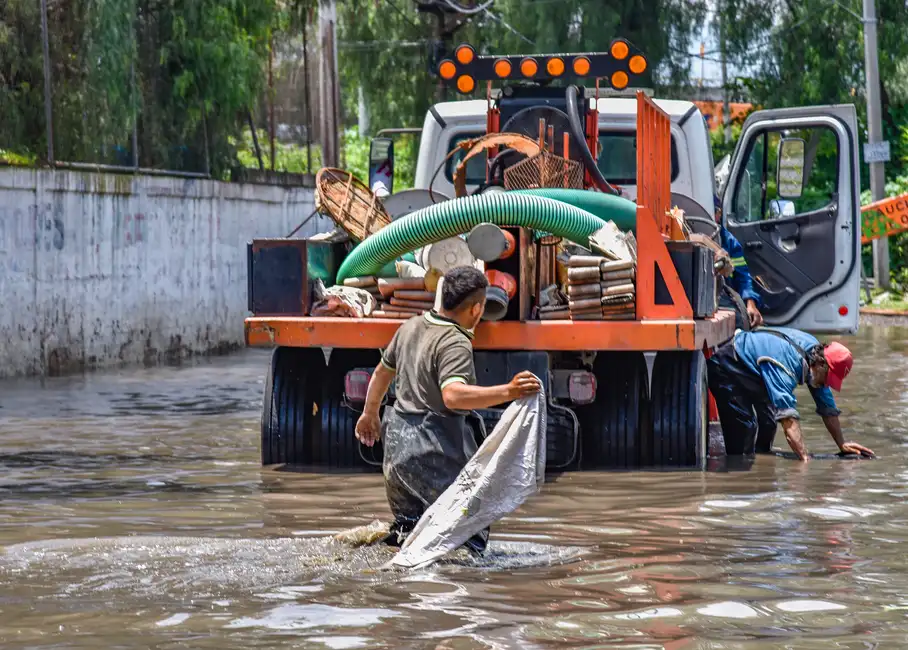
24/7 Emergency Dispatch
A live dispatcher answers your call any hour, any day, and assigns the nearest crew. You get an ETA and a direct callback number. No voicemail, no waiting until morning.
Every emergency water removal job includes the core steps: emergency dispatch, moisture inspection, extraction, drying setup, daily monitoring, and final verification. What varies is the scope of repairs, which we quote separately so you see exactly what is covered. Here is what a standard call includes.
A live dispatcher answers your call any hour, any day, and assigns the nearest crew. You get an ETA and a direct callback number. No voicemail, no waiting until morning.
A certified technician uses moisture meters, hygrometers, and thermal imaging cameras to map where water traveled. You get a written scope and upfront price before work begins.
We pull standing water with truck-mounted extraction units, wet vacuums, and sump pumps. Weighted extraction squeezes water out of carpet and pad. Most extraction runs take two to four hours.
We position Dri-Eaz and Phoenix air movers and Santa Fe dehumidifiers to dry framing, subflooring, and wall cavities. Desiccants handle tight crawl spaces. Equipment runs until moisture readings hit dry standard.
A technician checks moisture readings daily, adjusts equipment, and logs everything in Xactimate. You get photos, drying logs, and a final report for your insurance carrier.
We apply antimicrobial solutions to affected framing, baseboards, and subflooring to stop mold before it starts. Critical for category 2 and category 3 water losses like sewage backups and storm flooding.
Emergency Water Removal in Colorado is the urgent extraction, containment, and structural drying of standing water from a home or building before it causes permanent damage. It is not a shop vac and a fan. Our crews use truck-mounted water extraction units, wet vacuums, sump pumps, and moisture meters to pull hundreds of gallons out of carpet, subflooring, and wall cavities, then set dehumidifiers and air movers to dry what the eye cannot see. Every job follows the IICRC S500 standard for water-damage remediation.
Colorado properties get hit from every direction. Frozen pipes crack during Front Range cold snaps, roof leaks soak attic insulation after spring hail, and basement flooding follows summer monsoon bursts along the foothills. Mountain cabins around Grand Lake and Winter Park sit vacant for weeks, so a slow slab leak or foundation seepage can mold before anyone notices. That is why we treat every call as a clock problem, not a scheduling problem, and why our emergency water removal services Colorado-wide are built for same-day response.
Every job follows the same five steps, whether it is a burst pipe in a Boulder bungalow or a flooded crawl space in Grand Junction. You will know what is happening and why at each stage.
Schedule
Call or book online — a real human picks up and confirms a 2-hour arrival window.
Diagnose
Licensed tech inspects on-site, then walks you through the cause and your options.
Fix
The job is completed to code and done right the first time — no shortcuts, no surprises.
Guarantee
Every job backed by a written workmanship warranty — and we stand behind it.
Truck-Mounted Water Extraction Units
Pull hundreds of gallons of standing water fast from carpet, pad, and hard surfaces. The workhorse for flooded basements and large losses.
Thermal Imaging and Infrared Cameras
Reveal hidden moisture behind walls, under floors, and in ceilings without tearing anything open. We map the wet zone before we start drying.
Moisture Meters and Hygrometers
Measure moisture content in framing, drywall, and subflooring. We use readings to set drying goals and confirm when the structure hits dry standard.
Dri-Eaz and Phoenix Air Movers
High-velocity air movement that evaporates moisture from surfaces and drives it into the air for dehumidifiers to capture. Positioned per IICRC S500 guidelines.
Santa Fe and Desiccant Dehumidifiers
Pull moisture out of the air so wet materials can keep releasing it. Desiccants handle tight crawl spaces and cold conditions where refrigerant units struggle.
Borescopes
Inspect inside wall cavities and crawl spaces without demolition. We confirm hidden moisture is gone before we pull equipment.
Wet Vacuums and Sump Pumps
Handle smaller extraction jobs and standing water in areas a truck mount cannot reach. Useful for closets, crawl spaces, and tight corners.
IICRC S500 Standard
The industry standard for water-damage remediation. It defines water categories, drying goals, and documentation requirements. Every job we run follows it, which is why our drying logs hold up with insurance carriers.
Xactimate Documentation
We document moisture readings, photos, and drying logs in Xactimate, the format most carriers accept without argument. That means fewer denied claims and faster payouts for you.
Antimicrobial Treatment
We apply antimicrobial solutions to affected framing, baseboards, and subflooring after extraction. This stops mold from colonizing while the structure dries, critical for category 2 and 3 losses.
Daily Moisture Monitoring
A technician checks readings daily and adjusts equipment until every reading hits dry standard. We do not guess and we do not pull equipment early. The final report proves the structure is dry.
01
What we do: We dispatch a crew immediately, walk you through shutting off the main on the phone, and arrive with extraction units and drying equipment. We extract, dry, and document.
→ Water is out within hours, drying starts same night, and mold never gets a foothold. Insurance claim is documented from the first photo.
02
What we do: We extract standing water, pull wet carpet and pad, and set air movers and dehumidifiers on the slab and framing. Daily monitoring until dry standard.
→ Basement is dry in four days, framing is saved, and the homeowner avoids a full remodel. Sump system is checked before we leave.
03
What we do: We extract, use desiccant dehumidifiers for the tight space, and dry the framing and subflooring. Borescopes confirm no hidden moisture remains.
→ Subflooring and framing are saved, final moisture readings are within dry standard, and the owner avoids a full gut.
04
What we do: We suit up in PPE, extract, treat with antimicrobial solutions, and dispose of contaminated carpet, pad, and drywall per Colorado rules.
→ Unit is sanitized and dry within five days, tenant is back in, and the owner's carrier has full documentation for the claim.
Colorado is not one climate. The Front Range sees freeze-thaw cycles that crack pipes and split fittings, while the high country gets deep snow loads and roof leaks from ice dams. The Eastern Plains deal with flash flooding and hail, and the Western Slope gets its own mix of freeze events and monsoon bursts. Building stock varies too: older Denver and Pueblo homes have galvanized plumbing and uninsulated crawl spaces, while newer builds in Parker and Timnath use PEX and slab-on-grade construction. Each one fails differently. Our crews are trained on all of it. We carry EPA Lead-Safe certification for pre-1978 homes, know Colorado contractor licensing rules, and pull permits when structural repairs are needed. If you need same day emergency water removal Colorado-wide, we stage equipment regionally so mountain towns and Plains communities are not waiting on a Denver crew to drive three hours.
Denver Metro
Older bungalows and Victorians have galvanized pipes prone to pinhole leaks and uninsulated crawl spaces that freeze. We see a lot of burst-pipe calls in Capitol Hill and Baker during cold snaps.
Colorado Springs
Mix of older homes near downtown and newer builds on the north side. Sump pump failures and foundation seepage are common after spring storms. We cover Manitou Springs and Security-Widefield too.
Boulder and Foothills
Hail and wind open roofs, and the next rain soaks attic insulation. Older homes in Mapleton Hill have plaster walls that hold moisture longer than drywall.
Mountain Towns
Cabins in Winter Park, Granby, and Grand Lake sit vacant for weeks. A slow slab leak or frozen pipe can mold before anyone notices. We use desiccant dehumidifiers for cold, tight spaces.
Eastern Plains
Flash flooding and hail hit hard in Wiggins, Kersey, and La Salle. Many homes have crawl spaces and older plumbing. We stage crews regionally so response times stay tight.
Freeze-thaw cycles along the Front Range
Pipes in exterior walls and crawl spaces crack when temperatures swing. We see a spike in burst-pipe calls from November through March. Insulating and heat-taping vulnerable lines prevents most of them.
Spring and summer hail storms
Hail opens roofs and breaks windows, letting water into attics and living spaces. We tarp, extract, and dry, then document the loss for your carrier. Common from May through August.
Monsoon bursts along the foothills
Intense rain overwhelms gutters and foundation drains, pushing water into basements and crawl spaces. Sump pumps fail under the load. We extract and dry, then check the drainage system.
High-altitude snow loads and ice dams
Ice dams force water under shingles and into attic insulation. By the time you see a ceiling stain, the framing is wet. We extract, remove wet insulation, and dry the framing.
Water damage comes in many forms, and each one needs a different approach. Here are the calls we get most often and what we do about them.
Problem
Hundreds of gallons dump into walls and floors within minutes. Drywall swells, subflooring delaminates, and mold starts within 48 hours.
Our Fix
We extract standing water, dry the wall cavities with air movers and dehumidifiers, and coordinate the plumbing repair. If drywall has to come out to reach the pipe, we handle that and rebuild.
Problem
Finished basements flood fast, ruining carpet, pad, furniture, and stored belongings. Water wicks up drywall and into framing.
Our Fix
We extract, pull wet carpet and pad, dry the slab and framing, and check the sump system. We also inspect foundation seepage and vapor barriers so the same corner does not flood again.
Problem
Category 3 water carries bacteria and pathogens. Porous materials like carpet, pad, and drywall cannot be saved and must be disposed of properly.
Our Fix
Our crews suit up in PPE, extract, treat with antimicrobial solutions, and dispose of contaminated materials per Colorado rules. We document everything for your insurance claim.
Problem
Wet insulation loses R-value and holds moisture against framing. Ceiling drywall sags and stains. Mold can start in the attic within days.
Our Fix
We tarp the roof, extract water, remove wet insulation, and dry the framing. We document the loss in Xactimate and work with your adjuster on the repair scope.
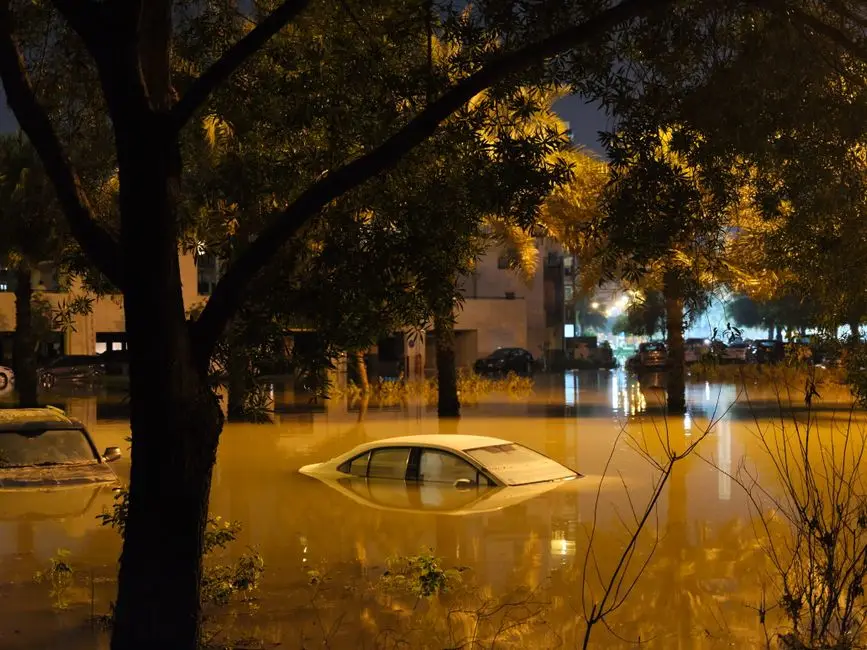
Water damage gets worse by the hour. Mold can colonize a wet wall cavity in 24-48 hours, and structural materials start to swell and delaminate even faster. Here is what you get when you call us first.
Stop Mold Before It Starts
Mold growth begins within 24-48 hours of a leak. We extract standing water, apply antimicrobial solutions to affected framing and baseboards, and dry the cavity below 16% moisture content, which is the threshold where mold stops reproducing. Catching it on day one saves you a full remediation later.
Save Floors and Framing
Carpet padding, plywood subflooring, and drywall wick water upward fast. We pull water with extraction units and wet vacuums before it reaches the joists, then use thermal imaging cameras to confirm the dry line. Drying in place costs a fraction of replacing a floor.
Insurance-Ready Documentation
We document moisture readings, photos, and drying logs in Xactimate, the format most carriers accept without argument. That means fewer denied claims and faster payouts. Our team works directly with your adjuster so you are not translating between contractor and insurance company.
24/7 Statewide Dispatch
Water does not wait for business hours. Our 24 hour water extraction Colorado line is staffed around the clock, and we stage crews to cover Denver metro, Colorado Springs, the Western Slope, and the Eastern Plains. Most Front Range calls see a technician within 60-90 minutes.
Most residential emergency water removal jobs in Colorado run $1,200 to $3,800 in 2026, depending on water volume, category, and how many rooms are affected. A single-room extraction with three days of drying typically lands near the low end. A flooded basement with sewage contamination and drywall removal pushes higher. We give you a written price before we start, and if insurance covers the loss, we bill them directly and document everything in Xactimate. No hourly creep, no surprise equipment charges.
Typical Investment Range
$1,200 - $3,800 for most residential jobs; larger or contaminated losses run higher
You are paying for fast extraction, proper drying, and documentation that holds up with your insurance carrier. Skipping any of those steps is how a $2,000 job turns into a $15,000 mold remediation six weeks later.
What changes the price
Water Volume and Category
Category 1 (clean water) is the simplest and cheapest. Category 2 (gray water) and Category 3 (sewage) require antimicrobial treatment, PPE, and disposal of porous materials, which adds cost.
Affected Square Footage
More rooms mean more extraction time, more equipment, and more monitoring. A single room might need three air movers; a full basement might need twelve plus two dehumidifiers.
Materials Affected
Carpet and pad are usually pulled and replaced. Hardwood may be salvageable with specialized drying. Drywall that has wicked water often has to be cut out and replaced, which adds labor and materials.
Access and Obstruction
Crawl spaces, finished basements packed with furniture, and tight attic spaces slow the work. We charge for the labor it actually takes, not a flat rate that shortchanges the job.
Drying Duration
Most jobs dry in three to five days. Dense materials like plaster, hardwood, and thick subflooring take longer. Equipment runs until readings hit dry standard, not a fixed number of days.
Insurance Coverage
Most homeowner policies cover sudden and accidental water damage, including burst pipes and storm-driven flooding. We document in Xactimate and bill your carrier directly so you are not fronting the full cost.
Google ★★★★★4.9
Called at 11 p.m. when our water heater let go. A tech was here in about an hour, extracted the water, and set up drying equipment. Four days later everything was dry and the insurance paperwork was already submitted. Could not ask for more.
Yelp ★★★★★4.8
Sewage backup in our basement on a Saturday morning. These guys showed up in PPE, got the mess out, and sanitized everything. They walked us through the whole process and worked directly with our adjuster. Professional and fast.
BBB ★★★★★4.9
Frozen pipe burst in our crawl space during a cold snap. They extracted, dried the framing, and saved the subflooring. Final moisture readings were all within dry standard. Honest pricing and no surprises on the bill.
Google ★★★★★5.0
We manage rental properties and have used them three times. Every call is the same: fast response, clear communication, and documentation that our carriers accept without argument. They are our go-to for water emergencies.
Our technicians hold IICRC WRT (Water Restoration Technician) and IICRC ASD (Applied Structural Drying) certifications, with AMRT training on mold remediation for the jobs that need it. We carry EPA Lead-Safe certification for pre-1978 homes common in older Denver and Pueblo neighborhoods, and OSHA 10 for jobsite safety. Every crew member is trained on Xactimate documentation so your claim moves. We work with Colorado contractor licensing requirements and pull permits when structural repairs are needed. This is not a side hustle for us. Water extraction and structural drying is what we do, statewide, every day.
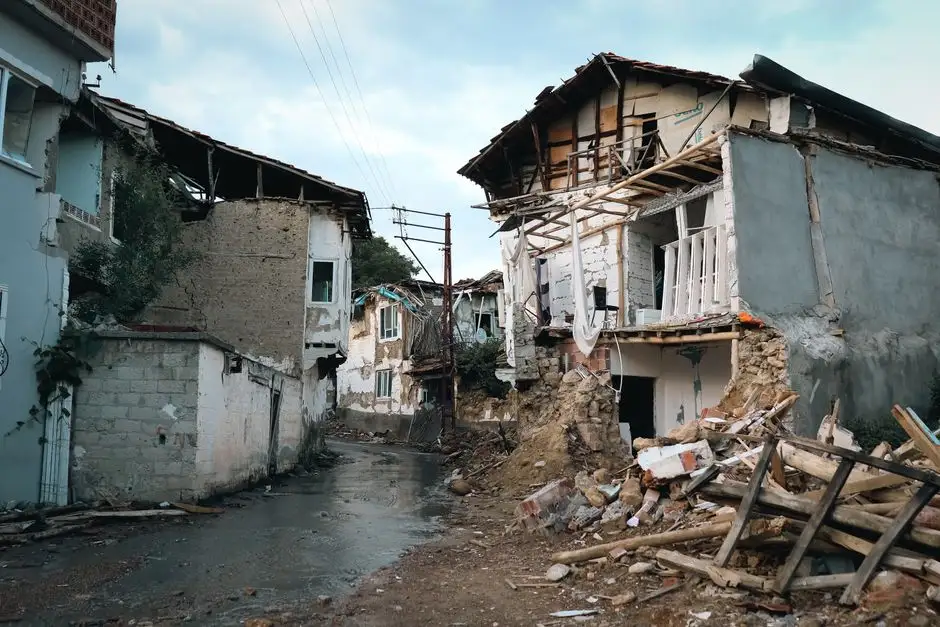
Water Damage Pros Colorado delivers emergency water extraction Colorado-wide, from the Front Range to the high country and the Eastern Plains. We stage crews regionally so every community gets the same fast response. Here are some of the cities we cover.
Emergency water removal in Colorado Springs covers older downtown homes with galvanized plumbing and newer north-side builds. We handle burst pipes, sump failures, and foundation seepage, with crews staged nearby for fast response.
Emergency water removal in Boulder handles hail-driven roof leaks, frozen pipes in older bungalows, and basement flooding after foothills storms. We know the older housing stock and how plaster walls hold moisture longer than drywall.
Emergency water removal in Parker covers newer slab-on-grade homes where sump pump failures and foundation seepage are common. We extract, dry the slab and framing, and check the drainage system before we leave.
Emergency water removal in Evans handles crawl space water intrusion and burst pipes in older homes. We use desiccant dehumidifiers for tight spaces and document everything for your insurance carrier.
Emergency water removal in Black Forest covers homes on well and septic systems where power outages kill sump pumps. We extract, dry, and check the system so the same corner does not flood again.
Emergency water removal in Timnath covers newer construction where PEX lines and slab-on-grade floors fail differently than older plumbing. We extract, dry, and document the loss for your carrier.
Emergency water removal in Air Force Academy covers base housing and nearby homes. We handle burst pipes, water heater failures, and storm-driven flooding, with crews staged for fast response.
Emergency water removal in Manitou Springs covers older homes near the creek where foundation seepage and sewage backups are common after heavy rain. We extract, sanitize, and dry.
Emergency water removal in La Salle handles crawl space flooding and frozen-pipe bursts on the Eastern Plains. We stage crews regionally so response times stay tight even in rural areas.
Emergency water removal in Granby covers mountain cabins that sit vacant for weeks. A slow slab leak or frozen pipe can mold before anyone notices. We use desiccant dehumidifiers for cold, tight spaces.
Emergency water removal in Wiggins handles flash flooding and hail-driven roof leaks on the Eastern Plains. We tarp, extract, and dry, then document the loss for your insurance claim.
Emergency water removal in Kersey covers rural homes with crawl spaces and older plumbing. We extract, dry the framing, and check the drainage system before the next storm.
Emergency water removal in Winter Park covers ski cabins and vacation homes where frozen pipes and ice dams cause most of the damage. We extract, dry, and document while you are away.
Emergency water removal in Calhan handles well-system failures and crawl space flooding on the Eastern Plains. We stage crews regionally so rural calls get the same fast response as metro calls.
Emergency water removal in Simla covers rural homes where frozen pipes and storm-driven flooding are common. We extract, dry, and document everything for your insurance carrier.
Real answers to the questions we hear most often from local homeowners and property managers.
Once extraction is done, restoration rebuilds what water ruined. We replace drywall, insulation, baseboards, and subflooring, then paint and finish. One crew from wet to whole, documented in Xactimate for your carrier.
View Water Damage RestorationFloodwater carries silt, bacteria, and contaminants that require more than a wet vac. We extract, sanitize with antimicrobial solutions, and dispose of unsalvageable materials per Colorado solid-waste rules. Common after Front Range monsoon bursts and Plains storm events.
View Flood CleanupFinished basements lose carpet, pad, and drywall fast when sump pumps fail. We extract, dry the slab and framing, and rebuild. We also check foundation seepage and vapor barriers so the same corner does not flood twice.
View Basement Water Damage RestorationCrawl spaces trap moisture and grow mold quietly. We extract standing water, run desiccant dehumidifiers in tight spaces, and inspect vapor barriers and joists. If the barrier is compromised, we replace it before the next wet season.
View Crawl Space Water IntrusionHail and wind open roofs, and the next rain soaks attic insulation and ceiling drywall. We tarp, extract, and dry, then document the loss for your claim. Common in Black Forest, Castle Rock, and foothills communities after spring storms.
View Roof Leak Water Damage RepairFrozen pipes crack during Colorado cold snaps, dumping hundreds of gallons into walls and floors. We extract, dry, and coordinate the plumbing repair. If drywall has to come out to reach the pipe, we handle that too.
View Pipe Burst Water Damage RepairCall (855) 343-0501 any time, day or night. We answer live, ask the right questions, and dispatch a crew. Most Front Range calls get a truck rolling within the hour, and we cover the entire state of Colorado.
Phone
(855) 343-0501Address
Colorado
Hours
Mon–Fri: 7AM – 7PM
Sat: 8AM – 4PM
Sun: Emergency Only
24/7 Emergency Available