
Water Damage Pros Colorado logo Water Damage Pros Colorado
Get Estimate

Sewage Backup Cleanup in Colorado

Raw sewage out, disinfected and dried, done right


Sewage Backup Cleanup in Colorado means getting Category 3 black water out of your home, disinfecting everything it touched, and drying the structure before mold sets in. We run 24/7 crews for backed-up mains, failed septic lines and flooded basements from Grand Junction to Fort Morgan. Call and we roll.

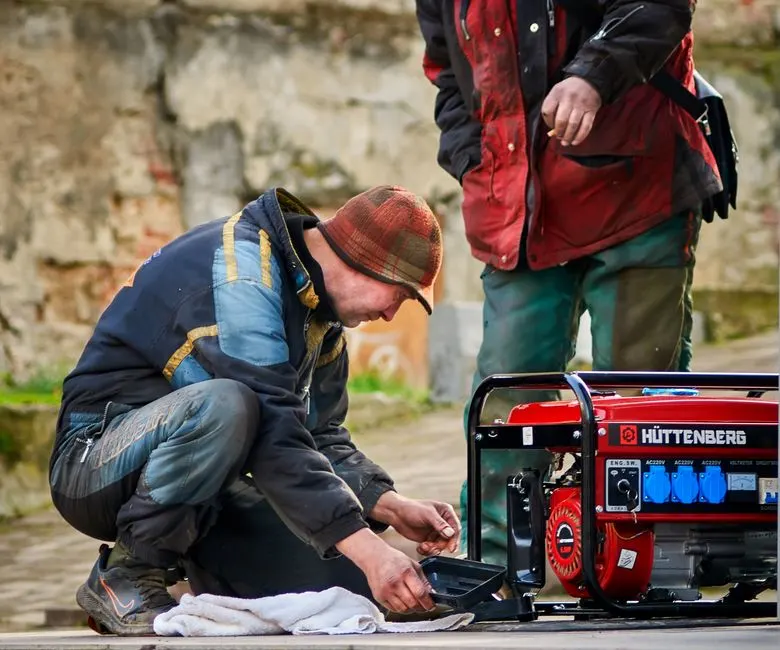
Two technicians working on a red HÜTTENBERG power generator outdoors.
Licensed Licensed & Bonded
Fully Insured Insured & Bonded
24/7 Emergency Same-Day Response
Warranty Backed Workmanship Guaranteed

What Our Sewage Backup Cleanup Includes

Every sewage job is different, but the core scope is consistent. Here is what is included in a standard Colorado sewage backup cleanup, and what we handle as an add-on when the damage goes further than the initial inspection showed.

Emergency Extraction

Truck-mounted extraction units and wet vacuums pull standing sewage from floors, crawl spaces and low spots. We remove the bulk of the water before we touch any contaminated material, which limits how far the contamination spreads.
Contaminated Material Removal

Carpet, carpet padding, saturated drywall, baseboards and insulation that absorbed black water get cut out and bagged for disposal. Porous materials cannot be disinfected, so removal is the only correct answer.

Antimicrobial Treatment

Every affected surface gets treated with EPA-registered antimicrobial solutions. We apply to framing, subflooring, concrete and any hard surface the waste touched, then verify coverage before drying begins.

Structural Drying

We set Dri-Eaz and Phoenix Restoration Equipment dehumidifiers and air movers to dry the structure. Typical basement jobs run two to four days. We check moisture meters and hygrometers daily and adjust equipment until readings hit dry standard.

Insurance Documentation

Photos, moisture maps and an Xactimate estimate go to your carrier. We talk directly to your adjuster so you are not translating between a restoration crew and an insurance company.

Repairs and Rebuild

Drywall, flooring, baseboards and trim get put back by the same company that did the mitigation. One claim, one schedule, one point of contact from extraction through final walkthrough.

What Sewage Backup Cleanup in Colorado Involves


Sewage Backup Cleanup in Colorado is the extraction, disinfection and drying of a home or business after black water backs up through floor drains, toilets, washing machine lines or a failed septic system. Raw sewage carries bacteria, viruses and parasites, so anything porous it touches - carpet padding, drywall, insulation, plywood subflooring - gets cut out and hauled away, not dried in place. We pump the standing waste, remove contaminated material, treat every surface with antimicrobial solutions, then dry the structure with dehumidifiers and air movers until moisture readings match a dry standard.

Colorado homes run into this more than people expect. Freeze-thaw cycles crack cast iron and clay lateral lines, spring snowmelt overwhelms municipal mains, and older Denver and Pueblo neighborhoods still have undersized sewer laterals that root systems invade. When a line plugs, the waste has nowhere to go but up through the lowest drain in the house. That is usually a basement floor drain or a laundry standpipe, which is why basement flooding and crawl space water intrusion almost always follow a sewage backup. We handle emergency sewage water removal Colorado homeowners can call at 2 a.m. without waiting for a plumber first.

How Our Sewage Cleanup Process Works

Five steps, start to finish. You will know what is happening at each one and what it costs before we begin.

01

Schedule

Call or book online — a real human picks up and confirms a 2-hour arrival window.

02

Diagnose

Licensed tech inspects on-site, then walks you through the cause and your options.

03

Fix

The job is completed to code and done right the first time — no shortcuts, no surprises.

04

Guarantee

Every job backed by a written workmanship warranty — and we stand behind it.

Equipment and Methods We Use

Tools & Equipment

Truck-Mounted Water Extraction Units

Pull hundreds of gallons of standing sewage from floors and crawl spaces fast. The sooner the bulk water is out, the less material has to be removed.

Thermal Imaging Cameras and Infrared Cameras

Find hidden moisture behind walls and under floors without tearing everything open. We map the wet boundary before we cut anything.

Moisture Meters and Hygrometers

Measure moisture content in framing and subflooring and track relative humidity in the drying chamber. We verify dry standard with readings, not guesswork.

Borescopes

Inspect inside wall cavities and sewer laterals to see where contamination reached and whether the line itself is damaged.

Dri-Eaz and Phoenix Restoration Equipment Dehumidifiers

Pull moisture out of the air so wet framing and subflooring can dry. We size the equipment to the cubic footage of the affected space.

Air Movers and Santa Fe Dehumidifiers

Move air across wet surfaces to speed evaporation and manage humidity in crawl spaces and basements where airflow is naturally poor.

Wet Vacuums and Sump Pumps

Handle the final pass on standing water and keep low spots dry during the drying phase. Sump pumps are especially useful in crawl spaces.

Methods & Standards

IICRC S500 Water Damage Restoration Standard

The industry standard that governs how we classify water, set drying goals and verify completion. Category 3 sewage losses get treated differently than clean water losses, and S500 is what tells us how.

IICRC AMRT Microbial Remediation Protocol

The protocol we follow for antimicrobial treatment and mold prevention after a sewage loss. It covers product selection, application methods and verification so the job is done to a standard, not to a guess.

Xactimate Estimating

The estimating platform most Colorado insurance carriers use. Our estimates are built in the same format your adjuster works in, which speeds up claim approval and reduces back-and-forth.

Containment and Negative Air Pressure

We seal off the affected area and run negative air pressure so contamination and airborne particles do not migrate into clean rooms. This is standard practice on every sewage job we run.

EPA Lead-Safe Practices

Pre-1978 homes in Colorado may have lead-based paint. We follow EPA Lead-Safe work practices when we cut into walls or remove material so we do not create a lead hazard while cleaning up a sewage hazard.

When to Call for Sewage Backup Cleanup

01

A basement floor drain backs up at 2 a.m. and the whole floor is covered in sewage.

What we do: We dispatch a 24/7 crew, extract the standing waste, remove saturated carpet and padding, disinfect the concrete and set drying equipment. We also coordinate a plumber to clear the blockage so it does not happen again the same night.

→ Water out within hours, structure dry in two to four days, and the line cleared so the backup does not repeat.

02

A toilet overflows on the second floor and sewage drips through the ceiling into the kitchen below.

What we do: We open the ceiling, remove saturated drywall and insulation, treat the framing with antimicrobial solutions, and dry both floors. The kitchen gets protected with containment barriers while we work above.

→ Contamination contained to the affected rooms, ceiling and framing dried and disinfected, repairs completed under the same claim.

03

A septic system fails during a hard freeze and sewage backs into a crawl space.

What we do: We pump the crawl space, remove contaminated insulation and vapor barriers, apply antimicrobial solutions to the joists and subflooring, and dry the space with desiccants and air movers.

→ Crawl space dried and disinfected, odor eliminated, and the septic contractor coordinated so the system is serviced before we close out.

04

A municipal main surcharge floods three units in a multi-family building with sewage.

What we do: We run multiple crews, extract each unit, remove contaminated material, disinfect and set drying equipment. Each unit gets its own documentation package for the property owner's insurance claim.

→ All units dried on the same schedule, tenants back in within a week, one documentation package per unit for the carrier.

How Sewage Backup Cleanup Runs in Colorado

Colorado's climate drives sewage backups in ways that other states do not see. Hard freezes crack cast iron and clay laterals from December through March. Spring snowmelt overwhelms municipal mains in April and May, especially in older Front Range neighborhoods. Summer thunderstorms dump an inch of rain in an hour and push stormwater into the sanitary system. And rural properties on septic systems deal with drain field failures year-round. Building stock matters too. Pre-1970 homes in Denver, Pueblo, Trinidad and the mountain towns still have original sewer laterals, and many have basements with floor drains at the lowest point in the house. That is where the waste shows up first. We run emergency sewage water removal Colorado crews out of Denver, Colorado Springs, Grand Junction and Fort Collins, so we can reach most addresses within a few hours. When we open a wall and find more contamination than the meter showed, we stop and show you the photos before the scope changes.

Neighborhoods We Serve

  • Sherrelwood

    Mid-century ranches with original cast iron laterals and finished basements. Floor drain backups are common here, and the finished basements mean more material has to be removed.

  • Grand Junction

    Older downtown housing stock with clay sewer laterals and mature tree canopy. Root intrusion is the number one cause of backups we see in this area.

  • Conifer

    Rural properties on septic systems with crawl space construction. Septic failures send sewage into crawl spaces, and the high altitude means slower drying times.

  • Fort Morgan

    Eastern Plains housing with a mix of older homes and newer builds. Freeze-thaw cycles crack laterals and municipal mains surcharge during spring runoff.

  • Estes Park

    Mountain homes with steep grades and older plumbing. Sewer lines run downhill to the municipal system, and freeze events in winter cause frequent backups.

Local Conditions We Plan For

  • Hard freezes from December through March

    Frozen laterals block or crack, and when they thaw the release floods basements and crawl spaces. We keep crews on standby during cold snaps because call volume spikes.

  • Spring snowmelt overwhelming municipal mains

    April and May are our busiest months for sewage backups. When the city system surcharges, waste pushes backward into every connected home on the block at the same time.

  • Pre-1970 housing stock with original laterals

    Cast iron and clay laterals crack, scale and collapse. Backups become recurring until the line is replaced, so we document the line condition for the homeowner.

  • High-altitude drying times

    Lower air pressure at altitude slows evaporation. We add drying equipment and extend drying times in mountain towns like Alma, Twin Lakes and Tabernash to hit dry standard.

Finished Basement Saved After Main Backup

Before

A root-blocked lateral sent two inches of sewage across a finished basement in Sherrelwood. Carpet, padding and the bottom 18 inches of drywall were saturated. The homeowner called at 11 p.m. and we had a crew on site by 2 a.m.

After

We extracted 180 gallons of waste, removed 320 square feet of carpet and padding, cut out the affected drywall, disinfected the framing and dried the structure in three days. The basement was rebuilt and back in use within two weeks.

Maintenance: We recommended a camera scope every 18 months and a root treatment on the lateral. The homeowner also added the sewage backup endorsement to their policy, which costs about $100 a year.

Before

A failed septic system in Conifer pushed sewage into a 900-square-foot crawl space. Contaminated insulation and vapor barriers were saturated, and the smell had moved into the living space above. The homeowner had been dealing with it for two days.

After

We pumped the crawl space, removed 600 square feet of contaminated insulation and vapor barrier, treated the joists and subflooring with antimicrobial solutions, and dried the space with desiccants over four days. Odor readings returned to normal.

Maintenance: We coordinated with the homeowner's septic contractor to service the tank and inspect the drain field. Annual septic inspections and avoiding harsh cleaners in the system keep it running.

Before

A municipal main surcharge during spring snowmelt flooded three ground-floor units in a Grand Junction building. Each unit had carpet, drywall and baseboards saturated with black water. Tenants were displaced and the property manager needed documentation for three separate claims.

After

We ran three crews, extracted all three units the same day, removed 1,100 square feet of carpet and padding, disinfected and dried each unit in four days. All tenants were back in within a week with separate documentation packages for each claim.

Maintenance: We recommended backwater valve installation on each ground-floor unit. A backwater valve costs $400 to $800 installed and prevents municipal surcharges from entering the building at all.

Colorado Sewage Problems We Solve

Most sewage backups in Colorado trace back to one of a handful of causes. Here is what we see most often and how we handle each one.

Problem

Tree roots blocking the sewer lateral

Waste has nowhere to go and backs up through the lowest drain in the house, usually a basement floor drain or laundry standpipe. It happens fast and often overnight.

Our Fix

We extract the backup, remove contaminated material, disinfect and dry the structure. Then we coordinate a camera scope and root cutting with a licensed plumber so the line is clear before we finish. Without the line repair, the backup returns.

Problem

Frozen pipe or lateral during a hard freeze

Ice blocks the line or cracks the pipe outright. When it thaws, the release floods a basement or crawl space with sewage and water at the same time.

Our Fix

We handle the water and the contamination in one scope. Extraction first, then disinfection and drying. If the pipe cracked, we bring in a licensed plumbing contractor to repair it before we close up the walls.

Problem

Municipal main surcharge during spring snowmelt

When snowmelt overwhelms the city sewer, waste pushes backward into every connected home on the block. Multiple houses on the same street get hit the same night.

Our Fix

We run multiple crews on the same street so nobody waits days for service. Each home gets the same extraction, disinfection and drying process, and we document each loss separately for insurance.

Problem

Septic system failure in rural areas

Failed drain fields and overloaded tanks send sewage into crawl spaces and basements. Rural Colorado properties in Conifer, Pine and Deer Trail deal with this more than most.

Our Fix

We pump the affected area, remove contaminated insulation and porous material, disinfect and dry with desiccants when humidity is high. We coordinate with your septic contractor so the tank gets serviced before we finish.

Problem

Aging cast iron and clay laterals in older homes

Pre-1970 housing stock across Denver, Pueblo and Trinidad still has original laterals that crack, scale and collapse. Backups become recurring until the line is replaced.

Our Fix

We clean up the current backup and document the line condition with a camera scope. That report gives you what you need to decide between spot repair and full lateral replacement, and we handle the restoration either way.

Why Colorado Homeowners Call Us First

Why Colorado Homeowners Call Us First

A sewage backup is a health hazard and a property loss at the same time. Here is what you actually get when you call us instead of a general cleaner.

  • Containment Stops the Spread

    Black water wicks up drywall and into baseboards within hours. We set containment barriers and negative air pressure so contamination does not migrate into clean rooms, then remove saturated material instead of trying to dry it. That single decision is the difference between a two-day job and a full-gut remodel.

  • Certified Disinfection

    Our technicians hold IICRC AMRT credentials for microbial remediation and apply EPA-registered antimicrobial solutions to every affected surface. We verify with moisture meters and hygrometers before we call anything dry. Sewage cleanup near me jobs done by uncertified crews are the number one reason mold shows up three weeks later.

  • Direct Insurance Billing

    We document the loss with photos, moisture maps and Xactimate estimates, then bill your carrier directly. Most Colorado homeowner policies cover sudden sewage backup when the endorsement is on the policy. You get one point of contact instead of chasing an adjuster while your basement still smells.

  • Same-Day Emergency Response

    Sewage water removal in Colorado cannot wait until Monday. We run 24/7 dispatch with extraction units staged along the Front Range and Western Slope, so a crew is typically on site within a few hours of your call. The faster we pull the water, the less material we have to tear out.

What Sewage Backup Cleanup Costs in Colorado

Typical 2026 pricing for sewage backup cleanup in Colorado runs $1,200 to $4,500 for residential jobs, with larger commercial losses going higher. The biggest cost drivers are how much contaminated material has to be removed, how far the waste spread, and whether the affected space is finished or unfinished. An unfinished basement with a single floor drain backup sits at the low end. A finished basement with carpet, drywall and a crawl space involved lands at the high end. If your policy has the sewage backup endorsement, insurance usually covers most of the cost. We give you a written scope and price before we start, and we bill your carrier directly when you file a claim.

Typical Investment Range

$1,200 - $4,500 for most residential jobs; larger commercial losses priced separately

The cost of doing it right is almost always less than the cost of doing it twice. Uncertified cleanup leaves contamination behind, and mold remediation three weeks later costs more than the original job. We price the full scope upfront and document everything for your carrier.

What changes the price

01

Square footage affected

The larger the contaminated area, the more extraction, removal, disinfection and drying is required. A 200-square-foot utility room is a different job than a 1,200-square-foot finished basement.

02

Category of contamination

Category 3 black water from a sewage backup requires full removal of porous materials and antimicrobial treatment. Category 2 gray water from a washing machine overflow is less involved and costs less.

03

Material removal volume

Carpet, padding, drywall, baseboards and insulation that absorbed black water all have to be cut out and disposed of. The more finished material in the affected space, the higher the removal cost.

04

Drying time required

Most jobs dry in two to four days. High-altitude properties and crawl spaces with poor airflow take longer, which means more equipment rental days and higher drying costs.

05

Access and containment

Crawl spaces, tight mechanical rooms and multi-story losses take longer to set up containment and run equipment. Difficult access adds labor hours to the job.

06

Repairs and rebuild

Mitigation and rebuild are separate line items. Drywall, flooring, baseboards and trim get priced after the mitigation scope is complete, and we handle both under the same claim.

Licensed, Certified, Insured

Licensed & Certified

  • IICRC WRT (Water Damage Restoration Technician) — issued by Institute of Inspection, Cleaning and Restoration Certification
  • IICRC ASD (Applied Structural Drying) — issued by Institute of Inspection, Cleaning and Restoration Certification
  • IICRC AMRT (Applied Microbial Remediation Technician) — issued by Institute of Inspection, Cleaning and Restoration Certification
  • EPA Lead-Safe Certified Firm — issued by U.S. Environmental Protection Agency
  • OSHA 10 Construction Safety — issued by Occupational Safety and Health Administration

Verified Reviews

Google ★★★★★4.9

Sewage backed up into our basement on a Friday night. They answered the phone, gave us an arrival window, and showed up when they said they would. Extracted everything, cut out the wet drywall, and had drying equipment running by morning. Four days later the readings were dry. Highly recommend.

Yelp ★★★★★4.8

We had a septic failure in Conifer and sewage in the crawl space. I called three companies and Water Damage Pros Colorado was the only one that answered on a Sunday. They pumped the crawl space, removed the insulation, and dried it out. Fair price and they explained everything.

BBB ★★★★★4.9

Property manager here. We had a main surcharge flood three units in Grand Junction. They ran multiple crews, documented each unit separately for insurance, and had all three dried in four days. Professional operation from start to finish.

Google ★★★★★5.0

Toilet overflow on the second floor sent sewage through the ceiling into the kitchen. They contained the area, removed the damaged drywall, disinfected the framing, and dried both floors. Handled the insurance claim directly. No surprises on the bill.

Sewage Cleanup Experience You Can Verify

Our technicians are trained to the IICRC standards that govern sewage and gray water losses - WRT for water damage restoration, ASD for structural drying, and AMRT for microbial remediation. That training matters because Category 3 water is not a shop-vac job. We carry OSHA 10 certification for workplace safety and follow EPA Lead-Safe practices on pre-1978 Colorado housing stock, which is most of what you find in Denver, Pueblo, Trinidad and the older mountain towns. Our estimating team is Xactimate certified, so the documentation we hand your adjuster matches the format carriers expect. We work Colorado sewage backup cleanup jobs every week, from single-family ranches in Bennett to multi-unit buildings in Aurora.

  • IICRC WRT, ASD and AMRT certified technicians on every sewage loss
  • Xactimate certified estimating for direct insurance documentation
  • EPA Lead-Safe practices on pre-1978 Colorado homes
  • OSHA 10 safety certification on all field crews
  • State-licensed plumbing contractor partners for line repair and camera scoping
Get Started Today
Sewage Cleanup Experience You Can Verify

Cities We Serve for Sewage Backup Cleanup

We cover Sewage Backup Cleanup in Colorado statewide, from the Western Slope to the Eastern Plains. Crews stage out of Denver, Colorado Springs, Grand Junction and Fort Collins, and we run 24/7 dispatch so a backed-up main at 3 a.m. gets the same response as one at noon. Whether you are in a mountain town at 9,000 feet or a plains community off I-70, we bring the same extraction, disinfection and drying process to your door.

Grand Junction

Older downtown housing with clay laterals and mature trees means root intrusion is our most common call here. We extract, disinfect and dry, then coordinate a camera scope on the line.

Castle Rock

Fast-growing Douglas County community with a mix of new builds and older homes. We handle backups from failed laterals and municipal surcharges, with crews staged nearby for quick response.

Erie

Newer construction in Erie still gets sewage backups from blocked mains and root intrusion. We extract, remove contaminated material, disinfect and dry the structure to standard.

Sherrelwood

Mid-century ranches with original cast iron laterals and finished basements. Floor drain backups are common, and we handle the extraction, drywall removal and rebuild under one claim.

Fort Morgan

Eastern Plains housing where freeze-thaw cycles crack laterals and spring runoff surcharges the municipal system. We run emergency extraction and full disinfection for homes and businesses.

Twin Lakes

High-altitude properties near Leadville where drying times run longer. We add equipment and extend drying schedules to hit dry standard at elevation.

Estes Park

Mountain homes with steep grades and older plumbing. Winter freeze events cause frequent backups, and we keep crews on standby during cold snaps.

Bennett

Small-town Eastern Plains community with a mix of septic and municipal systems. We handle both, with extraction, disinfection and drying for homes and small commercial properties.

Las Animas

Southeastern Colorado community on the Arkansas River. Older housing stock with aging laterals means recurring backups, and we document line condition for homeowners.

Byers

Rural Arapahoe County properties on septic systems. When a drain field fails, sewage backs into crawl spaces and basements, and we handle the full cleanup and drying.

Deer Trail

Small plains community east of Denver where septic failures and frozen lines are the main causes. We pump, disinfect and dry, and coordinate with your septic contractor.

Log Lane Village

Morgan County community near Fort Morgan with older housing and municipal sewer. We respond to backups from blocked mains and root intrusion with full extraction and disinfection.

Conifer

Foothills properties on septic systems with crawl space construction. Septic failures send sewage into crawl spaces, and we remove contaminated insulation and dry with desiccants.

Tabernash

Grand County mountain community where freeze events and high altitude slow drying. We bring extra equipment and extend drying schedules to hit dry standard.

Alma

One of Colorado's highest towns, where low air pressure slows evaporation. We size drying equipment for altitude and verify with moisture meters before we call the job dry.

Frequently Asked Questions About Sewage Backup Cleanup

Real answers to the questions we hear most often from local homeowners and property managers.

How much does sewage backup cleanup cost in Colorado?
Most residential sewage backup jobs in Colorado run $1,200 to $4,500 in 2026, depending on how much material has to be removed and how far the contamination spread. A single floor drain backup in an unfinished basement sits at the low end. A finished basement with carpet, drywall and a crawl space involved lands at the high end. If your policy has the sewage backup endorsement, insurance usually covers most of it.
How do I clean up sewage backup in Colorado?
Do not touch it yourself. Shut off the water supply, keep everyone out of the affected area, and call a certified crew. Raw sewage carries bacteria and viruses that regular household cleaners will not neutralize, and a shop-vac spreads contamination rather than removing it. We extract the waste, cut out saturated material, apply antimicrobial solutions and dry the structure with commercial equipment.
What causes sewage backup in Colorado?
The four most common causes we see are tree roots invading clay and cast iron laterals, frozen pipes cracking under a hard freeze, municipal main surcharges during spring snowmelt, and aging sewer lines in older neighborhoods. Septic system failures cause backups in rural areas like Conifer, Pine and Deer Trail. A camera scope of the lateral usually identifies the culprit within an hour.
Does insurance cover sewage backup cleanup in Colorado?
It depends on your policy. Standard Colorado homeowner policies exclude sewage backup unless you added the water backup endorsement, which typically runs $50 to $150 a year. If you have it, sudden and accidental backups are usually covered, including extraction, disinfection, drying and repairs. We document the loss in Xactimate format and bill your carrier directly.

Other Services We Pair With Sewage Cleanup

Water Damage Restoration

Sewage backups are a Category 3 water loss, and the restoration process overlaps heavily with standard water damage work. We handle both under one scope so you are not paying two companies to dry the same structure.

View Water Damage Restoration

Emergency Water Removal

When a sewage line fails, standing water has to come out fast. Our emergency water removal crews run the same 24/7 dispatch as our sewage response, with truck-mounted extraction units staged across Colorado.

View Emergency Water Removal

Flood Cleanup

Spring snowmelt and summer storm flooding often push municipal mains past capacity, which is when sewage backs into basements. Flood cleanup and sewage response frequently run as a single job in Colorado.

View Flood Cleanup

Basement Water Damage Restoration

Basements are where sewage shows up first because floor drains sit at the lowest point. We restore finished and unfinished basements after a backup, including drywall, flooring, baseboards and vapor barriers.

View Basement Water Damage Restoration

Crawl Space Water Damage Restoration

Sewage in a crawl space is worse than in a basement because ventilation is poor and mold takes hold fast. We extract, disinfect, remove contaminated insulation and dry the space with desiccants when needed.

View Crawl Space Water Damage Restoration

Roof Leak Water Damage Repair

Storm-driven roof leaks and sewage backups often hit the same home in the same week. We repair the roof leak, dry the attic and ceiling, and handle the sewage loss below as one coordinated job.

View Roof Leak Water Damage Repair

Need Sewage Backup Cleanup in Colorado Right Now?

We answer the phone 24/7 and dispatch crews statewide. One call gets you extraction, disinfection, drying and insurance documentation from a single company. Call (855) 343-0501 and we will tell you exactly when we can be there.

Call (855) 343-0501 Call Now

Get Water Damage Help Now

Call (855) 343-0501 any time, day or night. We answer live, ask the right questions, and dispatch a crew. Most Front Range calls get a truck rolling within the hour, and we cover the entire state of Colorado.

Water Damage Pros Colorado


  • Address

    Colorado

  • Hours

    Mon–Fri: 7AM – 7PM
    Sat: 8AM – 4PM
    Sun: Emergency Only
    24/7 Emergency Available

Call (855) 343-0501 Get Quote
Call Quote