
Water Damage Pros Colorado logo Water Damage Pros Colorado
Get Estimate

Roof Leak Water Damage Repair in Colorado Done Right the First Time

We find the leak, dry the structure, and fix the damage


Roof Leak Water Damage Repair in Colorado means finding where water is actually getting in, stopping it, and drying everything it touched before mold sets in. We handle shingle blow-offs, ice dam backups, flashing failures, and ceiling stains across the state. Call (855) 343-0501 and we roll a crew with extraction units and drying gear the same day.

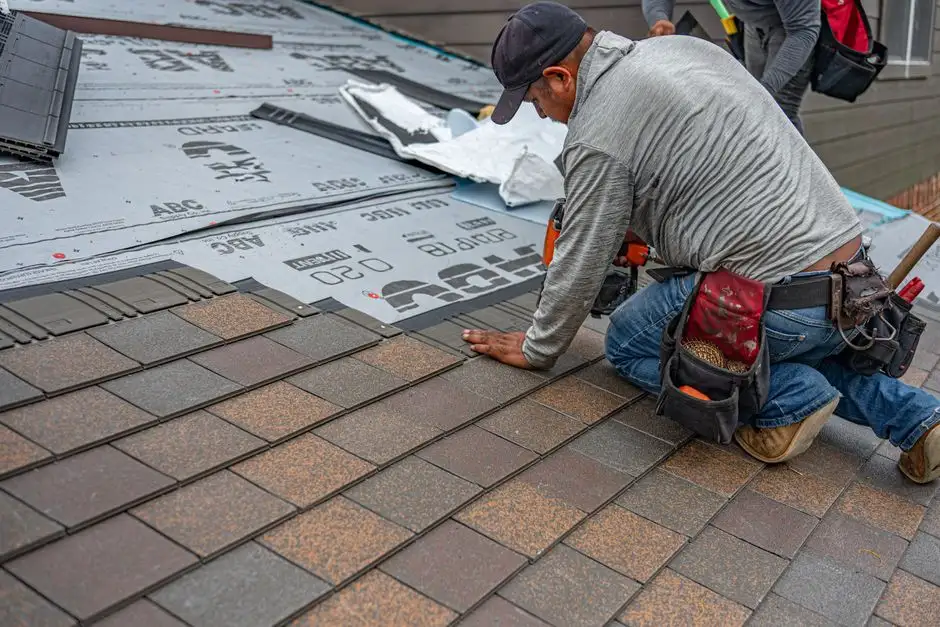
Skilled roofer installing asphalt shingles, ensuring quality home renovation.
Licensed Licensed & Bonded
Fully Insured Insured & Bonded
24/7 Emergency Same-Day Response
Warranty Backed Workmanship Guaranteed

What Roof Leak Water Damage Repair Includes

Every job starts with the same core scope: find the leak, stop it, dry the structure, and repair what the water ruined. What changes is how far the water traveled. Here is what is included on a standard roof leak job, and what we add when the loss is bigger than it first looked.

Leak Detection and Roof Repair

We trace the entry point with thermal imaging cameras and moisture meters, then repair the shingles, flashing, or sealants causing the breach. You get a watertight roof before we start drying the interior, so nothing we do inside gets undone by the next rain.
Emergency Tarping

If the roof cannot be permanently repaired the same day, we tarp the affected section to stop water intrusion. Tarps stay in place until materials arrive or weather clears, and we come back to complete the permanent repair at no extra trip charge.

Water Extraction and Material Removal

Standing water comes out with water extraction units and wet vacuums. Saturated carpet padding, insulation, and damaged drywall come out because they will not dry in place and will feed mold growth if left. We haul it all away and dispose of it properly.

Structural Drying to IICRC S500

We set Dri-Eaz and Phoenix Restoration Equipment dehumidifiers and air movers, then check framing, subflooring, and drywall daily with hygrometers. Drying runs three to five days on most jobs, and we do not pull equipment until readings match a dry baseline.

Antimicrobial Treatment

Any area that stayed wet more than 24 hours gets treated with antimicrobial solutions to stop mold growth before it starts. We treat framing, subflooring, and wall cavities, and document the application for your records and your insurance carrier.

Interior Repairs and Documentation

We replace drywall, insulation, baseboards, and paint, and match existing finishes as closely as materials allow. You get a final moisture report, before-and-after photos, and a written warranty on the repair work. We walk the job with you before we call it done.

What Roof Leak Water Damage Repair in Colorado Involves


Roof Leak Water Damage Repair in Colorado is the full job of stopping an active roof leak and reversing the water damage it caused inside your home. That means tracing the entry point with moisture meters and infrared cameras, tarping or patching the roof, extracting standing water, pulling saturated insulation and carpet padding, and running dehumidifiers and air movers until the framing reads dry on a hygrometer. We document every reading for your insurance claim and seal the structure against the next storm.

Colorado homes take a beating from hail, wind-driven rain, and freeze-thaw cycles that open flashing and lift shingles. When snow sits on a warm attic, ice dams push water under the tabs and straight into your ceiling. If you are searching for roof leak repair near me in Colorado after a storm, we handle the emergency tarp, the ceiling water damage from roof leak Colorado homeowners deal with every spring, and the permanent fix. One call covers the roof and the rooms below it.

Our Roof Leak Repair Process, Step by Step

You should know exactly what happens from the first phone call to the final walkthrough. Here is how a typical job runs, whether it is a midnight emergency or a scheduled repair.

01

Schedule

Call or book online — a real human picks up and confirms a 2-hour arrival window.

02

Diagnose

Licensed tech inspects on-site, then walks you through the cause and your options.

03

Fix

The job is completed to code and done right the first time — no shortcuts, no surprises.

04

Guarantee

Every job backed by a written workmanship warranty — and we stand behind it.

Tools and Methods We Use on Every Job

Tools & Equipment

Thermal Imaging Cameras

We use thermal imaging cameras to see temperature differences behind drywall and in attic insulation, which reveals where water is hiding without cutting holes. It is the fastest way to map the wet zone.

Moisture Meters and Hygrometers

Moisture meters tell us how wet a material is at the surface, and hygrometers measure humidity in the air. We use both to set drying targets and confirm when the structure is actually dry, not just dry to the touch.

Borescopes

A borescope lets us look inside wall cavities and behind finished surfaces through a hole the size of a pencil. We confirm the leak path and check for mold growth without tearing out more drywall than necessary.

Dri-Eaz and Phoenix Dehumidifiers

These are the workhorses of structural drying. Dri-Eaz and Phoenix Restoration Equipment dehumidifiers pull moisture out of the air so wet materials release their water faster. We size them to the cubic footage of the affected space.

Air Movers and Water Extraction Units

Air movers keep air circulating across wet surfaces to speed evaporation. Water extraction units and wet vacuums pull standing water out of carpet, hardwood, and subflooring before we set drying equipment.

Xactimate Estimating Software

Xactimate is the industry standard for insurance scopes. We build every claim in it so your adjuster sees line items in the format they already use, which speeds up approval and reduces back-and-forth.

Methods & Standards

IICRC S500 Standard

The IICRC S500 sets the standard for water damage restoration, including how to classify water, how to dry different materials, and when to verify dryness. We follow it on every job and document our readings against it.

Thermal Imaging Leak Tracing

Instead of guessing where water entered, we use thermal imaging cameras to follow the temperature signature of wet materials through the structure. That gets us to the actual breach faster and with less demolition.

Daily Moisture Monitoring

We check moisture readings every day the equipment runs and adjust the setup as numbers drop. That is how we know when to pull equipment and when to add a dehumidifier to a room that is drying slower than the rest.

Antimicrobial Application

Any material that stayed wet more than 24 hours gets treated with antimicrobial solutions. We apply it to framing, subflooring, and wall cavities before we close anything up, and we document the application for your records.

When to Call for Roof Leak Water Damage Repair

01

Hail just came through and you can see missing shingles or dents in the gutters

What we do: We inspect the roof, tarp any open sections, and check the attic for water intrusion the same day. If water got in, we start extraction and drying immediately. If it did not, we document the damage for your insurance claim before the next storm hits.

→ You catch the damage before water gets inside, and your claim is documented while the evidence is fresh.

02

Brown water stain appeared on the ceiling after a heavy rain

What we do: We trace the leak with thermal imaging cameras and moisture meters, repair the roof breach, then cut out and replace the stained drywall and any wet insulation behind it. Drying equipment runs until framing reads dry on a hygrometer.

→ The stain is gone, the leak is fixed, and the framing behind the ceiling is dry and mold-free.

03

Ice dam formed on the roof edge and water is coming in around a window frame

What we do: We remove the ice dam safely, tarp the area, and dry the wall cavity with air movers and dehumidifiers. Then we inspect attic insulation and ventilation to stop the next ice dam from forming in the same spot.

→ Water stops coming in, the wall dries without mold, and the fix addresses the cause, not just the symptom.

04

You are buying or selling a home and the inspection flagged a roof leak

What we do: We inspect the roof and attic, document the leak and any water damage, and give you a written scope with pricing. If the seller needs to fix it before closing, we can complete the repair and dry-out on a timeline that works for both sides.

→ You get a clear picture of the repair cost before you sign, and the leak is fixed before it becomes a negotiation problem.

How Roof Leak Water Damage Repair Works in Colorado

Colorado's climate is hard on roofs. Hail season runs from April through September along the Front Range, and a single storm can take out shingles across an entire neighborhood. Winter brings freeze-thaw cycles that open flashing and create ice dams, especially in mountain towns where snow sits on roofs for weeks. We see two distinct patterns: summer storm damage that shows up fast, and winter ice dam damage that hides in attic insulation until spring. Our crews carry tarps, extraction units, and drying equipment on every truck so we can handle either one without waiting on a supply run. We also work with the building stock you find here, from 1950s brick ranches in Wheat Ridge to new construction in Erie, and we know how each one dries. If you need 24/7 roof leak water damage repair in Colorado, we are set up to run it.

Neighborhoods We Serve

  • Highlands Ranch

    Large two-story homes with steep roofs and complex flashing. Hail damage here often opens multiple entry points, so we check the whole roof, not just the visible leak.

  • Leadville

    High-altitude snow loads and long winters mean ice dams are the primary cause of roof leaks. We bring extra tarps and drying capacity for mountain jobs.

  • Clifton

    Western Slope windstorms lift shingles and open flashing. We see more wind-driven rain intrusion here than hail damage, which changes how we trace the leak.

  • Henderson

    Older homes with original roof decks and minimal attic ventilation. Ice dams and condensation both cause leaks here, so we check for both on every call.

  • Security-Widefield

    Hail alley territory. We document storm damage carefully here because carriers know the area and expect detailed evidence with the claim.

Local Conditions We Plan For

  • Hail season April through September

    Most roof leak calls come in during and right after hail storms. We staff extra crews during storm season so response times stay under 90 minutes on the Front Range.

  • Freeze-thaw cycles in winter

    Ice dams form when snow melts on a warm roof and refreezes at the edge. We see these most in mountain towns and along the Palmer Divide, and they require a different repair approach than hail damage.

  • High-altitude snow loads

    Above 8,000 feet, snow sits on roofs for weeks. That means longer drying times and more ice dam risk, so we size drying equipment for the altitude and check attic ventilation as part of every job.

  • Wind-driven rain on the Western Slope

    Wind pushes rain under shingles and flashing in ways that do not show up in a standard roof inspection. We use thermal imaging to trace these leaks because the entry point is often not visible from the roof.

Hail-Damaged Roof in Highlands Ranch

Before

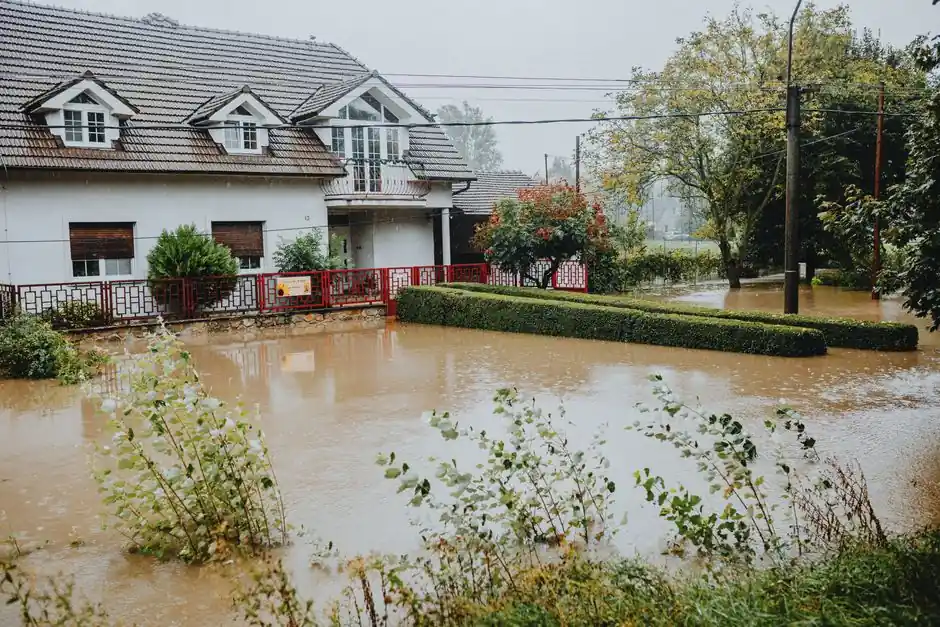
A June hailstorm took out shingles across the south-facing slope. Water ran down the roof deck and soaked the attic insulation and a bedroom ceiling. The homeowner noticed a brown stain three days later and called us when it started dripping.

After

We tarped the roof the same night, extracted water from the ceiling cavity, and ran dehumidifiers and air movers for four days. The attic dried to a verified baseline, we replaced the insulation and drywall, and the roof was repaired with matching shingles. Total job: five days.

Maintenance: We recommended an annual roof inspection before hail season and a quick attic check after every major storm. Catching a leak in the first 24 hours keeps a $1,500 repair from becoming a $9,000 rebuild.

Before

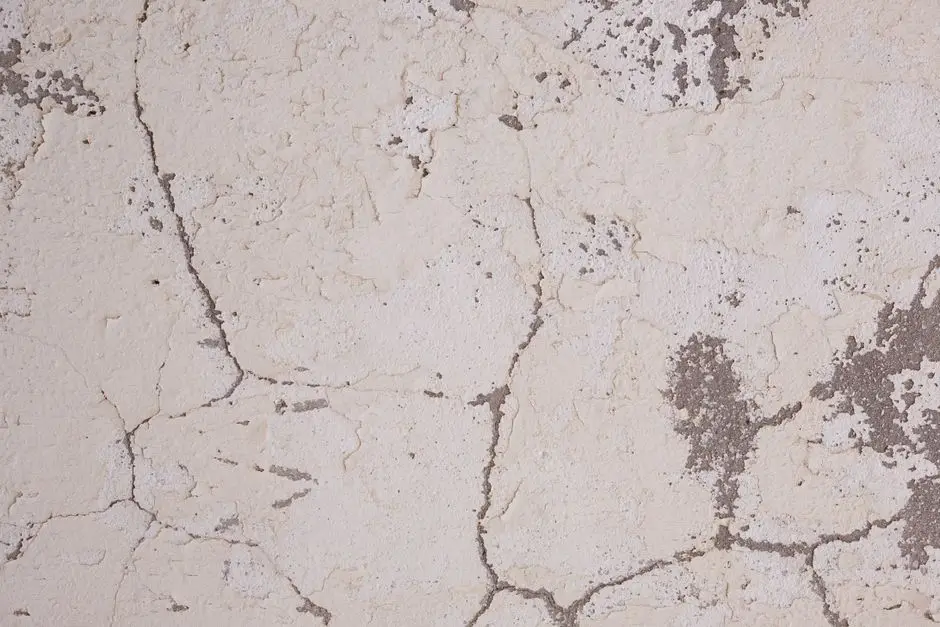
February ice dams backed water under the shingles and into a wall cavity. The homeowner saw water around a window frame and assumed it was condensation. By the time we arrived, the wall insulation was saturated and mold was starting on the framing.

After

We removed the ice dam, tarped the roof, opened the wall cavity, and dried the framing over five days. The mold was treated with antimicrobial solutions, new insulation went in, and we improved attic ventilation to stop the next ice dam. The wall was closed and painted on day eight.

Maintenance: We told the homeowner to keep attic insulation clear of the roof deck at the eaves and to check for ice dams after every heavy snow. Proper ventilation is the long-term fix for ice dam leaks at this altitude.

Before

A spring windstorm lifted flashing around the chimney and drove rain into the attic. The homeowner found wet insulation two weeks later during a routine check. There was no ceiling stain yet, but the roof deck was soaked and mold was starting on the framing.

After

We repaired the flashing, removed the wet insulation, and dried the deck and framing over four days. Antimicrobial treatment stopped the mold, and new insulation went back in. The homeowner avoided a ceiling repair entirely because the leak was caught before it reached the drywall.

Maintenance: We set them up with a post-storm checklist: check the attic after every wind event, look for lifted flashing around chimneys and vents, and call us at the first sign of moisture. Early detection is the whole game with wind-driven leaks.

Problems We Solve With Roof Leak Repair in Colorado

Roof leaks cause more than a stain on the ceiling. Water moves through the structure and creates problems that get expensive fast if nobody addresses them. Here are the ones we see most often across Colorado.

Problem

Ceiling stains that keep coming back after every storm

A recurring stain means the leak was never fixed, only painted over. Each storm pushes more water into the drywall and framing, and the repair cost climbs every time.

Our Fix

We trace the leak to its actual entry point with thermal imaging cameras and borescopes, repair the roof, then replace the damaged drywall and insulation. You get a repair that holds through the next hail season, not just the next sunny week.

Problem

Wet attic insulation nobody noticed for weeks

Saturated insulation loses its R-value and holds moisture against the roof deck and framing. That is where mold growth starts, and it spreads through the attic before you see anything from inside the house.

Our Fix

We remove the wet insulation, dry the deck and framing with air movers and dehumidifiers, treat with antimicrobial solutions, and install new insulation. We check the whole attic, not just the wet spot, because water travels.

Problem

Ice dam water backing up under shingles in winter

Freeze-thaw cycles push meltwater under shingle tabs and into wall cavities. By the time it shows on the ceiling, it has already soaked insulation and framing for days.

Our Fix

We break up the ice dam safely, tarp the roof, and dry the interior. Then we address the cause with attic insulation and ventilation improvements so the next snowmelt does not repeat the problem.

Problem

Insurance claim denied or underpaid

Carriers deny roof leak claims when documentation is thin or the scope does not match the damage. Homeowners end up paying thousands out of pocket for a covered loss.

Our Fix

We build the scope in Xactimate, photograph every wet material, and log moisture readings room by room. That package gives your adjuster what they need to approve the claim, and we talk to them directly when questions come up.

Why Colorado Homeowners Call Us First

Why Colorado Homeowners Call Us First

A roof leak never stays small. Water travels along joists, soaks drywall, and shows up ten feet from the actual breach. Here is what you get when you call us instead of waiting it out.

  • Same-Day Emergency Response

    We run crews 24/7 for active leaks. Most Front Range calls get a technician on site within 60 to 90 minutes, and we tarp the roof before we touch the interior so water stops coming in while we work. That first hour is what separates a $900 dry-out from a $9,000 rebuild.

  • Leak Detection Without Guesswork

    We do not cut holes hoping to find the source. Thermal imaging cameras, moisture meters, and borescopes let us trace the water path through attic insulation and subflooring to the exact breach. Roof leak detection Colorado homeowners can trust means we fix the cause, not the stain.

  • Direct Insurance Documentation

    We photograph every wet material, log moisture readings room by room, and build the scope in Xactimate, the same software your adjuster uses. That format gets claims approved faster. We bill carriers directly and walk you through what is covered and what is not.

  • Dry It Right, Not Just Dry

    We dry to the IICRC S500 standard, checking framing and subflooring with hygrometers until readings match a dry baseline. Skipping that step is how mold growth starts behind baseboards three weeks later. We leave you with documentation showing the structure is actually dry.

What Roof Leak Water Damage Repair Costs

Typical 2026 pricing for roof leak water damage repair in Colorado runs $1,200 to $4,500 for most residential jobs. A small leak caught early with a tarp and a short dry-out can land under $900. A large loss with ceiling replacement, flooring, and several days of drying equipment pushes toward the top of the range or higher. We give you a written scope and price before we start, and when the loss is covered, we bill your insurance carrier directly so you are not fronting the full amount.

Typical Investment Range

$900 - $4,500 depending on scope

The price covers the roof repair, water extraction, structural drying, antimicrobial treatment, and interior rebuild. Doing it right the first time costs less than a cheap fix that fails and lets mold grow behind the walls. We stand behind the work with a written warranty.

What changes the price

01

Size of the wet area

A leak that soaked one ceiling section is a much smaller job than one that ran down a wall and into the subflooring. Square footage of affected material drives equipment count, drying time, and the amount of drywall and insulation we replace.

02

How long water sat

Water that sat for 24 hours is a clean-water dry-out. Water that sat for a week usually means mold growth, which adds antimicrobial treatment, containment, and sometimes removal of more material. Time is the single biggest cost variable.

03

Roof repair scope

Replacing a few shingles and resealing flashing is a small repair. A section of decking that rotted through needs to be cut out and replaced, which adds labor and materials. We scope the roof repair separately so you can see exactly what you are paying for.

04

Material replacement

Drywall, insulation, baseboards, and paint all add up. Matching existing finishes takes more time than a standard patch, especially in older homes with textured ceilings or custom trim. We price materials at cost plus labor, not marked up.

05

Insurance coverage

When the loss is covered, your out-of-pocket cost is your deductible plus any non-covered items. We build the scope in Xactimate so the carrier sees the full picture, and we tell you upfront what is likely covered and what is not.

06

Emergency vs. scheduled

After-hours and weekend emergency calls carry a higher dispatch rate than a job we schedule for the next morning. If the leak is not actively flowing, waiting until business hours can save you money without risking more damage.

Licensed, Certified, and Documented

Licensed & Certified

  • IICRC WRT (Water Restoration Technician) — issued by Institute of Inspection, Cleaning and Restoration Certification
  • IICRC ASD (Applied Structural Drying) — issued by Institute of Inspection, Cleaning and Restoration Certification
  • IICRC AMRT (Applied Microbial Remediation Technician) — issued by Institute of Inspection, Cleaning and Restoration Certification
  • EPA Lead-Safe Certified — issued by U.S. Environmental Protection Agency
  • OSHA 10 Certified — issued by Occupational Safety and Health Administration

Verified Reviews

Google ★★★★★4.9

Called at 11 p.m. with water coming through the ceiling. They had a crew here in under an hour, tarped the roof, and started extracting water. The next morning they showed me the moisture readings and explained the whole plan. Insurance covered it and they handled the paperwork. No surprises on the bill.

Yelp ★★★★★4.8

We had an ice dam leak in February and two other companies would not come out. These guys came up from Denver, found the leak with a thermal camera, and dried the whole wall cavity. They treated for mold and replaced the insulation. The wall looks brand new.

BBB ★★★★★4.9

Hail storm took out our roof and soaked the attic. They documented everything for our claim, worked directly with the adjuster, and had the dry-out done in four days. The Xactimate scope matched what the carrier approved almost line for line. Would call them again without hesitation.

Google ★★★★★5.0

Small leak that we ignored for a month turned into mold on the framing. They were upfront about the cost, showed me the moisture readings every day, and did not pull equipment until everything was dry. The final report was thorough enough that our insurance covered the whole thing.

Water Damage Expertise You Can Verify

Our technicians hold IICRC WRT (Water Restoration Technician) and IICRC ASD (Applied Structural Drying) certifications, and several carry IICRC AMRT for mold remediation. We work to the IICRC S500 standard on every job and hold EPA Lead-Safe and OSHA 10 credentials for safe work in older Colorado homes. We are a licensed Colorado contractor, Xactimate certified for insurance scopes, and RIA certified. That training is why we can tell you in the first hour whether a ceiling is salvageable or has to come down.

  • IICRC WRT and ASD certified technicians on every water loss crew
  • Xactimate certified estimators who build insurance scopes adjusters accept
  • EPA Lead-Safe practices for pre-1978 homes common in older Colorado neighborhoods
  • OSHA 10 trained crews for safe roof and attic work
  • RIA certified for restoration industry standards and documentation
Get Started Today
Water Damage Expertise You Can Verify

Cities We Serve for Roof Leak Water Damage Repair

We cover Roof Leak Water Damage Repair across Colorado, from the Front Range metro to the Western Slope and the mountain communities. Our crews run out of Denver and Colorado Springs with satellite coverage for Grand Junction, Pueblo, and the high country. Wherever you are in the state, we bring the same equipment, the same certifications, and the same standard. If you need roof leak repair Colorado homeowners trust, one call gets a crew headed your way.

Henderson

Older homes with original roof decks and limited attic ventilation. We check for both ice dam leaks and condensation on every Henderson call, because the fix is different for each one.

Highlands Ranch

Steep, complex roofs that take heavy hail damage. We document storm damage carefully here because carriers expect detailed evidence, and we tarp fast to stop water before it reaches the ceiling.

Security-Widefield

Hail alley territory south of Colorado Springs. We staff extra crews during storm season so response times stay under 90 minutes, and we scope every claim in Xactimate for faster approval.

Clifton

Western Slope windstorms lift shingles and open flashing around chimneys. We use thermal imaging to trace wind-driven leaks because the entry point is often not visible from the roof.

Wellington

Northern Colorado homes that see both hail and freeze-thaw damage. We handle the roof repair and the interior dry-out in one scope, so you are not coordinating two contractors.

Dupont

Smaller community north of Denver with a mix of older and newer construction. We size drying equipment to the home, whether it is a 1950s ranch or a recent build with tight framing.

Mead

Fast-growing area with newer homes that still get hail and wind damage. We check flashing and vent seals on every Mead job, since those are the most common failure points on newer roofs.

Florence

Southern Colorado community where freeze-thaw cycles open flashing and create ice dams. We bring tarps and drying gear for the drive, so we can start work the same day we arrive.

Leadville

High-altitude snow loads and long winters make ice dams the primary cause of roof leaks. We bring extra drying capacity for mountain jobs and check attic ventilation as part of every repair.

Lyons

Foothills community where wind-driven rain and hail both cause roof leaks. We trace the leak with thermal imaging before we cut anything, so we fix the actual breach, not the stain.

Fraser

Mountain town with heavy snow and freeze-thaw cycles. We handle ice dam removal, roof repair, and interior drying, and we size dehumidifiers for the altitude so drying stays on schedule.

Indian Hills

Wooded foothills area where tree debris and hail both damage roofs. We clear debris, repair the breach, and dry the interior, and we check for moss and rot on older roof decks.

La Veta

Southern Colorado community with older homes and varied roof types. We scope each job individually because a metal roof leak and a shingle roof leak need different repair approaches.

Coaldale

Remote mountain community where response time matters. We dispatch from the nearest crew and bring full drying equipment so we can complete the job without a second trip.

Aguilar

Small southern Colorado town where hail and wind damage are common. We document every loss for insurance and handle the roof repair and interior dry-out in one visit.

Frequently Asked Questions About Roof Leak Water Damage Repair

Real answers to the questions we hear most often from local homeowners and property managers.

How much does roof leak water damage repair cost in Colorado?
Most residential jobs run $1,200 to $4,500 in 2026, depending on how much area got wet and whether drywall or insulation has to be replaced. A simple tarp and small dry-out can land under $900. Larger losses with ceiling replacement, flooring, and several days of drying push higher. We give you a written scope and price before we start, and we bill insurance directly when the loss is covered.
How do I find a roof leak in Colorado?
Start in the attic on a dry day and look for staining on the roof deck, wet insulation, or daylight around flashing and vents. Water often enters uphill and shows up downhill, so the ceiling stain is rarely under the actual breach. We use thermal imaging cameras, moisture meters, and borescopes to trace the path and confirm the entry point before we cut anything. That is roof leak detection Colorado homeowners can rely on.
What causes roof leaks in Colorado?
The big four in Colorado are hail damage, wind-lifted shingles, failed flashing around chimneys and vents, and ice dams from freeze-thaw cycles. Snowmelt backing up under shingle tabs is the most common winter cause along the Front Range and in mountain towns. We inspect all four on every call, because fixing a shingle when the real problem is flashing just means a repeat visit after the next storm.
Does insurance cover roof leak water damage in Colorado?
Most Colorado policies cover sudden, accidental roof leak damage, including the interior water damage it causes. Wear-and-tear and long-term neglect are usually excluded. We document the loss with photos, moisture readings, and an Xactimate scope, then work directly with your adjuster. You get a clear picture of what is covered before we start, and we bill the carrier for the covered portion.

Related Services We Pair With Roof Leak Repair

Water Damage Restoration

When a roof leak soaks more than one room, full water damage restoration covers extraction, drying, and rebuild across the whole affected area. We scope it the same way we scope the roof repair, so nothing gets missed between the attic and the basement.

View Water Damage Restoration

Emergency Water Removal

Standing water after a roof breach needs to come out fast. Our emergency water removal crews run water extraction units and wet vacuums to pull water from carpet, hardwood, and subflooring before it wicks into walls and framing.

View Emergency Water Removal

Flood Cleanup

Storm-driven roof leaks often come with ground-level flooding. Flood cleanup handles contaminated water, debris, and sanitizing with antimicrobial solutions, which is a different scope than a clean-water roof leak and needs separate handling.

View Flood Cleanup

Basement Water Damage Restoration

Roof leaks travel down wall cavities and end up in the basement. We check foundation seepage and slab leaks on every roof leak job, because water that reaches the lowest level often means a second source you did not know about.

View Basement Water Damage Restoration

Crawl Space Water Damage Restoration

Water from a roof leak can pool in a crawl space and stay there for weeks. We install vapor barriers, run desiccants and dehumidifiers, and treat for mold growth so the space under your home does not become the source of a bigger problem.

View Crawl Space Water Damage Restoration

Pipe Burst Water Damage Repair

Freeze-thaw cycles that cause roof leaks also burst pipes. If your loss involves both, we handle the pipe repair and the water damage in one scope, so you are not coordinating two contractors during an emergency.

View Pipe Burst Water Damage Repair

Get Roof Leak Water Damage Repair in Colorado Today

Water is moving through your home right now. Every hour you wait, the damage spreads further into framing and insulation. Call (855) 343-0501 and we will dispatch a crew with extraction and drying equipment, tarp the roof, and start the dry-out the same day. Licensed, insured, and billing your carrier directly.

Call (855) 343-0501 Call Now

Get Water Damage Help Now

Call (855) 343-0501 any time, day or night. We answer live, ask the right questions, and dispatch a crew. Most Front Range calls get a truck rolling within the hour, and we cover the entire state of Colorado.

Water Damage Pros Colorado


  • Address

    Colorado

  • Hours

    Mon–Fri: 7AM – 7PM
    Sat: 8AM – 4PM
    Sun: Emergency Only
    24/7 Emergency Available

Call (855) 343-0501 Get Quote
Call Quote