
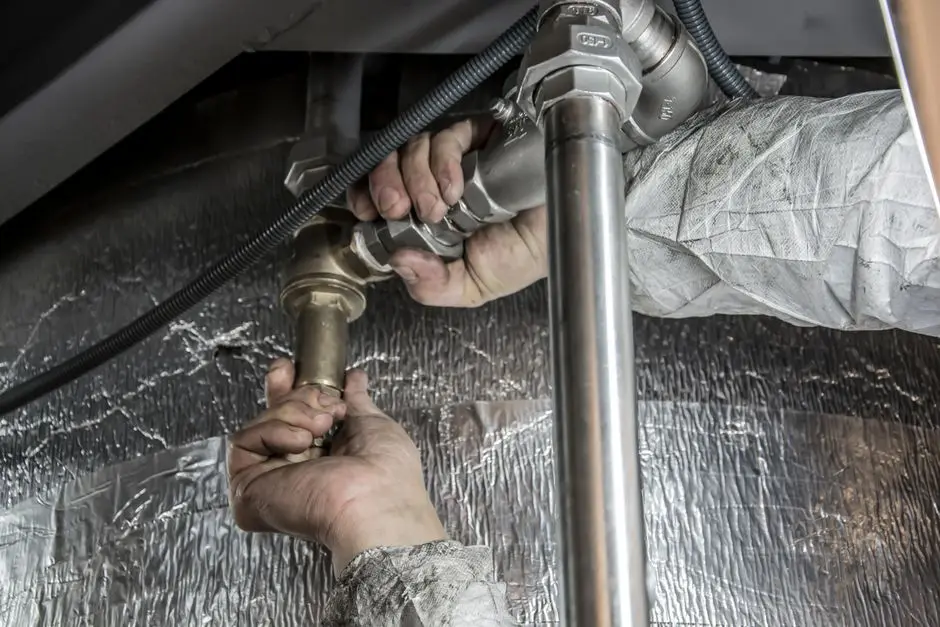
Emergency Water Shutoff
We guide you through killing the main valve while the crew is en route, then isolate the failed line on arrival. Stopping flow fast is the single biggest factor in limiting damage to flooring and drywall.
Every pipe burst job starts with the same core scope: stop the water, extract it, dry the structure, repair the line, and restore what was damaged. What changes is how far the water traveled and what materials it reached. Here is what we handle on a standard call.
We guide you through killing the main valve while the crew is en route, then isolate the failed line on arrival. Stopping flow fast is the single biggest factor in limiting damage to flooring and drywall.
Truck-mounted and portable extraction units pull standing water from carpet, hardwood, tile, and subflooring. We remove soaked carpet padding and other unsalvageable materials so the drying cycle can actually work.
Air movers and dehumidifiers run 3 to 5 days, with moisture meters and hygrometers logged daily. We keep equipment in place until wall cavities and subfloors hit dry standard, not just until the surface feels dry.
A state-licensed plumber cuts out the split section and replaces it with code-correct copper or PEX, then pressure-tests the line before the wall closes. We repair the cause, not just the symptom.
Wet framing and insulation are treated with antimicrobial solutions to head off mold growth during the drying window. This matters most in crawl spaces and basements where airflow is limited.
We replace cut drywall, reinstall baseboards, and paint to match so the repair disappears. You get a finished room, not a patched hole and a list of other contractors to call.
Pipe Burst Water Damage Repair in Colorado is the emergency trade of stopping a pressurized water line failure, extracting the water it released, drying the building materials it soaked, and restoring the pipe, drywall, flooring, and trim to pre-loss condition. A burst line can push 4 to 10 gallons per minute into a home. That is 240 to 600 gallons an hour spreading under baseboards, into subflooring, and down into crawl spaces. We shut the main, find the split, and start extraction the same visit.
Colorado homes face this more than most states. Our freeze-thaw cycles swing 40 to 60 degrees in a single day along the Front Range, and unheated crawl spaces, exterior hose bibs, and attic runs freeze first. Copper, PEX, and older galvanized lines all fail differently, and each one changes how we open the wall and what we replace. If you are searching for burst pipe repair near me in Colorado at 3 a.m., the answer is a crew that arrives with extraction units already loaded.
Every job follows the same five stages, whether it is a single bathroom line in Thornton or a flooded basement in Pueblo. Here is exactly what happens after you call.
Schedule
Call or book online — a real human picks up and confirms a 2-hour arrival window.
Diagnose
Licensed tech inspects on-site, then walks you through the cause and your options.
Fix
The job is completed to code and done right the first time — no shortcuts, no surprises.
Guarantee
Every job backed by a written workmanship warranty — and we stand behind it.
Thermal Imaging Cameras
Infrared cameras reveal wet wall cavities, ceiling voids, and subfloor areas that look dry on the surface, so we open only what actually needs opening.
Moisture Meters and Hygrometers
These measure moisture content in drywall, wood, and concrete and track relative humidity in the air, giving us hard numbers to decide when drying is complete.
Truck-Mounted Water Extraction Units
High-capacity extraction pulls hundreds of gallons of standing water out of carpet and hard flooring fast, cutting the drying window and limiting secondary damage.
Dri-Eaz and Phoenix Air Movers
High-velocity air movers drive evaporation off wet surfaces, while Santa Fe Dehumidifiers and Abatement Technologies units pull that moisture out of the air.
RIDGID and DeWalt Inspection Tools
Borescopes and inspection cameras let us look inside walls and under slabs to confirm the pipe failure point and check for hidden water before we cut.
Wet Vacuums and Sump Pumps
Shop-Vac wet vacuums and portable sump pumps handle smaller pockets of water and low spots that larger extraction equipment cannot reach.
IICRC S500 Drying Standard
We follow the IICRC S500 standard for water damage restoration, which sets the moisture readings and drying conditions required to call a structure dry. That is why we log daily readings instead of eyeballing it.
Xactimate Scoping
Losses are scoped in Xactimate, the same estimating platform most insurance carriers use. Line items match what your adjuster expects, which speeds up claim approval and reduces disputes.
Pressure Testing After Repair
Every repaired line is pressure-tested before the wall or floor closes. If it does not hold, we find out while it is still open, not after you have repainted.
Antimicrobial Application
Wet framing, subflooring, and insulation get treated with antimicrobial solutions during the drying window to prevent mold growth, especially in crawl spaces and basements with limited airflow.
01
What we do: Call immediately and shut off the main. We dispatch a night crew with extraction units, kill power to affected circuits if needed, open the ceiling, extract water, and start drying the same visit.
→ Water is stopped within the hour, the ceiling cavity is dried, and the electrical risk is removed before anyone gets hurt.
02
What we do: We extract standing water, map how far it spread with thermal cameras, remove soaked materials, dry the structure, repair the split line, and restore flooring and drywall.
→ A multi-room loss gets dried and rebuilt in two to three weeks instead of becoming a mold remediation project.
03
What we do: We respond, isolate the line, extract and dry, and document everything with photos and moisture logs for the property owner and the tenant. We repair the failed fitting and restore the cabinet base.
→ The unit is habitable again quickly, and the owner has claim-ready documentation without managing three separate contractors.
04
What we do: We open the floor, repair or replace the failing section with copper or PEX, dry the subfloor and framing, and treat for mold risk before closing it back up.
→ The immediate leak is fixed and the surrounding structure is dry, with a clear picture of what else in the system may need attention.
Colorado's climate drives most of the pipe bursts we see. Along the Front Range, temperatures routinely swing 40 to 60 degrees between day and night in winter, and that freeze-thaw cycling splits copper lines in crawl spaces, garages, and exterior walls. Mountain towns like Breckenridge and Leadville see sustained hard freezes that crack PEX fittings and burst irrigation lines. On the Western Slope, Grand Junction and Palisade deal with the same freeze risk plus older galvanized plumbing in mid-century homes. Building stock matters too. Denver metro has a mix of 1950s ranches with original copper and newer builds with PEX manifolds, while historic districts in Boulder and Golden still have cast iron drains and undersized supply lines. Colorado plumbing code requires specific materials and pressure ratings on repairs, and we pull permits where the scope demands it. When you call for frozen pipe burst repair and water damage restoration Colorado-wide, we bring the right equipment for the altitude, the building age, and the season.
Denver Metro
1950s ranches with original copper supply lines and finished basements are the most common burst pipe call we run here.
Colorado Springs
High altitude and rapid temperature drops make crawl space and exterior wall freezes a year-round risk.
Grand Junction
Older galvanized plumbing in mid-century homes fails at joints, often under bathroom and kitchen floors.
Boulder and Golden
Historic housing stock with cast iron and undersized lines needs careful repair to match existing systems.
Freeze-thaw swings of 40 to 60 degrees in a single day
Pipes in unheated crawl spaces and exterior walls expand and contract repeatedly, which is the leading cause of winter bursts across the Front Range.
Hard freezes above 7,000 feet in mountain towns
Sustained sub-zero temperatures crack PEX fittings and split copper, and repairs need to account for altitude and snow access.
Older housing stock with galvanized and cast iron plumbing
These systems corrode from the inside and fail at joints, so repairs often involve replacing a section rather than patching a single pinhole.
Dry air and low humidity in winter
Low indoor humidity speeds evaporation but also dries wood framing unevenly, so we monitor moisture content closely to avoid warping during the drying cycle.
A burst pipe is never just a wet floor. Here are the specific problems Colorado homeowners call us about, and what happens when they wait.
Problem
Water runs for hours before anyone notices, saturating insulation, joists, and subflooring. Mold can begin colonizing wet organic material in 24 to 48 hours.
Our Fix
We extract standing water, remove soaked insulation, dry the joists and subfloor with air movers and dehumidifiers, repair the split line, and replace the vapor barrier so the crawl space stays dry.
Problem
Water wicks into drywall, insulation, and framing while the surface looks fine. By the time you see a stain, the cavity has been wet for days and drywall often has to be replaced.
Our Fix
Thermal imaging cameras and moisture meters locate the wet zone without guesswork. We open the wall precisely, dry the cavity, repair the pipe, and restore drywall, texture, and paint.
Problem
Water under a slab has nowhere to go but up through flooring and baseboards. It can also undermine the slab and drive foundation seepage that keeps recurring.
Our Fix
We extract surface water, use specialized drying to pull moisture from the slab and flooring, reroute or repair the line, and restore the floor. We also check for foundation seepage before we close out.
Problem
Carpet padding acts like a sponge and holds water against the concrete, which keeps the space humid and creates ideal conditions for mold and musty odors.
Our Fix
We pull the carpet back, remove saturated padding, extract the carpet and concrete, dry with dehumidifiers and air movers, treat with antimicrobial, and reinstall or replace the padding.
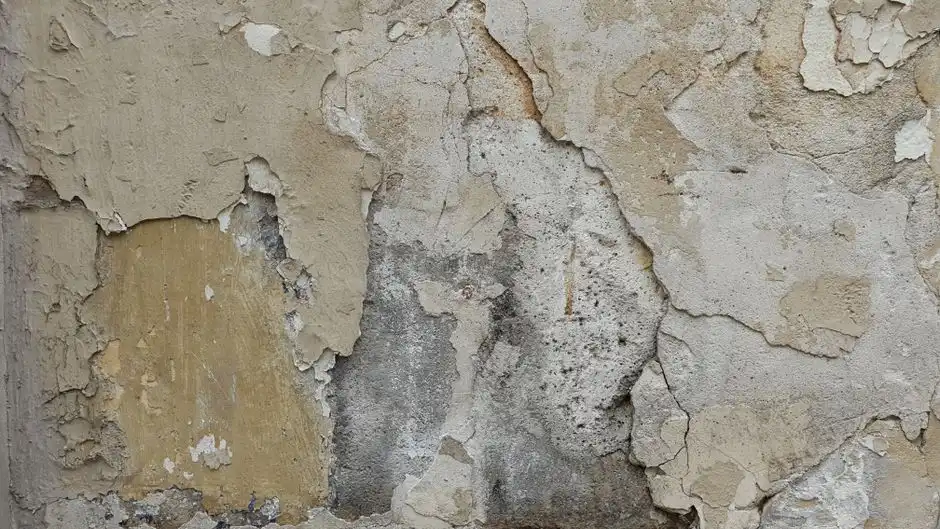
A burst pipe is a race against mold, warped flooring, and a denied insurance claim. Here is what our response actually buys you.
Water Stopped in Minutes
We walk you through shutting the main valve while the truck is rolling, then isolate the failed line on arrival. Stopping flow in the first 10 minutes is the single biggest factor in whether your hardwood and subfloor survive. Every hour of standing water raises the odds of replacement over drying.
Drying Backed by Meters
We do not guess when a wall is dry. Moisture meters, hygrometers, and thermal imaging cameras map the wet zone, and we log readings daily until materials hit target. That paper trail is what an adjuster needs to approve the claim without a fight.
Affordable Burst Pipe Repair in Colorado
You get a clear scope before we cut anything open. Small line repairs and localized drying often land in the low hundreds; larger losses with flooring and cabinetry run higher. We price the work, not the panic, and we document every line item the same way Xactimate does.
One Crew, Start to Finish
Extraction, structural drying, pipe repair, drywall, and paint all run through our team, so you are not coordinating three contractors and waiting on each one. One point of contact, one schedule, one warranty on the finished repair.
Typical 2026 pricing in Colorado runs $350 to $1,200 for the plumbing repair alone and $1,500 to $6,500 when drying, drywall, and flooring are included. The variables are how long water ran, what materials got wet, and whether the line sits behind a slab or inside a finished wall. We scope the job before we cut anything open, so you know the number before work starts. Affordable burst pipe repair in Colorado means paying for the work the loss actually requires, not a padded estimate.
Typical Investment Range
$350 - $6,500 depending on scope, with most full repairs landing between $1,500 and $3,500
You are paying for fast water stop, documented drying, licensed pipe repair, and a finished restoration, all from one crew. That is what keeps a small leak from turning into a mold remediation and a denied claim.
What changes the price
Water Volume and Spread
A line that ran for 20 minutes soaks far less than one that ran overnight. More rooms and more materials mean more extraction, more drying equipment, and a longer drying cycle.
Pipe Location and Access
A line in an open basement is a quick repair. A line behind a finished wall, under a slab, or in a tight crawl space takes more labor to access and restore.
Materials Affected
Carpet and padding can often be dried or replaced cheaply. Hardwood, engineered flooring, and cabinetry cost more to dry or replace, and that drives the total scope.
Drying Duration
Most jobs dry in 3 to 5 days. Thick concrete, dense hardwood, and closed wall cavities can push that to 7 days, which adds equipment rental time to the bill.
Mold Remediation Needs
If the loss sat more than 48 hours before extraction, mold may already be colonizing. Remediation adds containment, removal, and antimicrobial treatment to the scope.
Insurance Coverage
Most sudden pipe burst losses are covered, which means your out-of-pocket is often the deductible. We document the loss so the carrier pays what the scope actually costs.
Google ★★★★★4.9
Called at 11 p.m. after a pipe burst under our kitchen sink. They walked me through shutting off the main and were here in about an hour. Extracted the water, set up dryers, and repaired the line the next day. Everything was documented for our insurance and the claim went through without a problem.
Yelp ★★★★★4.8
We had a frozen pipe burst in the crawl space of our rental property. The crew was professional, explained the drying process, and sent daily moisture readings. They replaced the vapor barrier and insulated the line so it would not happen again. Fair pricing and no surprises.
BBB ★★★★★4.9
A slab leak flooded our hallway and we were panicked about the flooring. They extracted the water, dried the slab and flooring, rerouted the line, and restored everything. The whole job took about two weeks and they kept us informed the entire time. Highly recommend.
Our technicians hold IICRC WRT and ASD certifications, which means they are trained in water damage restoration and structural drying to a documented standard, not just hauling out wet carpet. We also carry IICRC AMRT for microbial work, EPA Lead-Safe certification for pre-1978 housing common in older Colorado towns, and OSHA 10 for jobsite safety. Every plumber on our team is a state-licensed plumbing contractor working to current Colorado plumbing code. We use Xactimate to scope losses the same way insurance carriers do, so estimates line up instead of getting kicked back. From frozen pipe bursts in mountain towns to slab leaks in Denver metro ranches, we have run this play thousands of times.
Our crews cover the entire state, from the Front Range metro to the Western Slope and the southern plains. Whether you need burst pipe water damage cleanup Colorado-wide or a single line repaired in a small mountain town, we stage equipment and technicians to reach you fast. Here are some of the communities we serve.
Thornton's mix of 1970s ranches and newer builds means we see both corroded copper failures and PEX fitting splits. We run 24/7 extraction and drying across the city.
Lafayette's older downtown homes have original plumbing that fails at joints. We repair the line, dry the structure, and restore drywall and flooring to match.
Englewood's mid-century housing stock and finished basements are prone to slab leaks and supply line bursts. We handle extraction, drying, and full restoration.
Johnstown's fast-growing neighborhoods see freeze-related bursts in exterior walls and garages. We respond with thermal imaging to find hidden moisture fast.
Monument's higher elevation and hard freezes crack well lines and crawl space plumbing. We dry the space, repair the line, and replace insulation and vapor barriers.
Trinidad's older homes and cold winters make frozen pipe bursts common. We extract water, dry the structure, and repair or replace failing galvanized lines.
Eaton's rural properties often have well systems and outbuildings that freeze. We handle burst well lines, crawl space drying, and full pipe repair.
Rocky Ford's older housing and cold snaps drive winter pipe failures. We provide emergency extraction, structural drying, and licensed plumbing repair.
Palisade's orchards and older homes see irrigation line and supply pipe bursts. We extract, dry, and repair with code-correct materials for the Western Slope climate.
Laporte's rural setting means well lines and crawl space plumbing are vulnerable to freezes. We respond with extraction and drying equipment ready for tight spaces.
Loma's rural homes and outbuildings freeze hard in winter. We repair burst lines, dry crawl spaces and basements, and restore damaged materials.
Howard's mountain properties see deep freezes that split copper and PEX. We bring winter-ready extraction and drying equipment to reach remote locations.
Beulah's higher elevation and older homes make frozen pipe bursts a winter reality. We handle emergency repair, extraction, and full structural drying.
Franktown's rural properties and well systems are prone to freeze-related bursts. We repair the line, dry the structure, and document everything for insurance.
Victor's historic mining-era homes and hard mountain freezes mean old plumbing fails often. We repair or replace lines and restore the surrounding structure.
Real answers to the questions we hear most often from local homeowners and property managers.
Full-scope restoration after any water loss, from extraction through rebuild. When a burst line soaks multiple rooms, this is the umbrella service that puts your Colorado home back together.
View Water Damage RestorationTruck-mounted extraction for standing water. We deploy this first on burst pipe calls to pull water out of carpet, hardwood, and subflooring before it wicks into walls.
View Emergency Water RemovalContaminated water cleanup when flooding carries silt, sewage, or outdoor debris. Burst pipes in basements often mix with groundwater, and this service handles the sanitation step.
View Flood CleanupBasements are where burst pipe water pools. We dry concrete, framing, and stored contents, then treat for mold risk and restore finished basement space.
View Basement Water Damage RestorationColorado crawl spaces freeze and flood. We extract standing water, dry joists and insulation, and repair vapor barriers so the burst pipe damage does not rot your floor structure.
View Crawl Space Water Damage RestorationIce dams and storm damage drive water through roofs the same way a burst pipe floods a ceiling. We trace the entry point, dry the attic and ceiling cavity, and repair the damage.
View Roof Leak Water Damage RepairCall (855) 343-0501 any time, day or night. We answer live, ask the right questions, and dispatch a crew. Most Front Range calls get a truck rolling within the hour, and we cover the entire state of Colorado.
Phone
(855) 343-0501Address
Colorado
Hours
Mon–Fri: 7AM – 7PM
Sat: 8AM – 4PM
Sun: Emergency Only
24/7 Emergency Available