
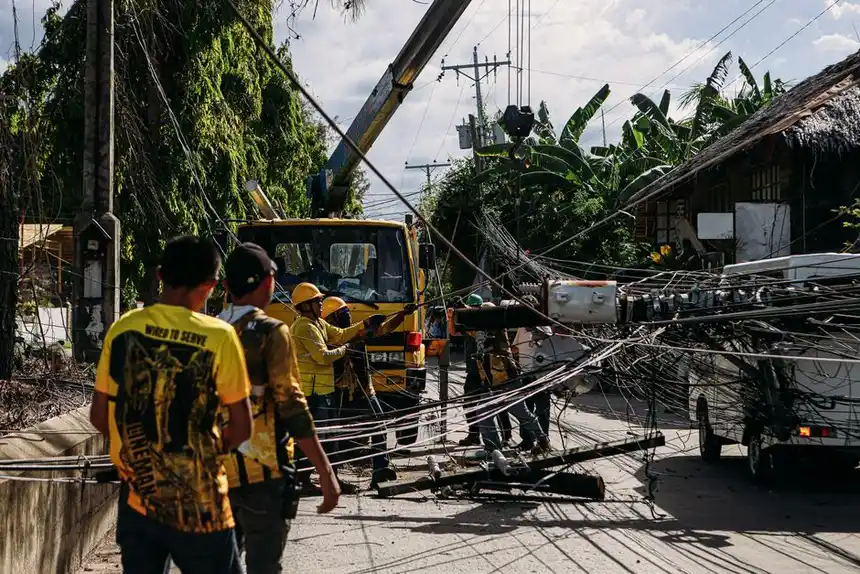
Emergency Board-Up and Tarping
We seal broken windows, tarp damaged roofs, and board up openings to stop more water from getting in. This happens the same day we arrive, before any drying equipment gets set.
Every storm loss is different, but the core scope covers emergency response, water removal, structural drying, and repairs. Here is what is included in a standard job. Anything beyond the base scope, like full roof replacement or foundation work, gets quoted separately before we start.
We seal broken windows, tarp damaged roofs, and board up openings to stop more water from getting in. This happens the same day we arrive, before any drying equipment gets set.
Truck-mounted extraction units and wet vacuums pull standing water from floors, carpets, and crawl spaces. We remove saturated carpet padding and any material that cannot be dried in place.
We set dehumidifiers and air movers based on IICRC calculations for the size and class of the loss. Moisture readings get logged daily until the structure hits dry standard.
Affected framing, subflooring, and wall cavities get treated with antimicrobial solutions to stop mold growth. This is standard on every storm loss where water sat for more than 24 hours.
Drywall, insulation, baseboards, subflooring, paint, and trim get replaced. If the roof or siding was damaged, we handle that too, so the building is fully restored, not just dried out.
Photos, moisture logs, scope of work, and Xactimate estimate, all compiled and sent to your adjuster. This is the file that gets your claim approved without weeks of back-and-forth.
Storm Damage Restoration in Colorado is the process of stabilizing a building after a storm, extracting standing water, drying wet materials, and repairing what the weather broke. A typical job starts with an inspection using moisture meters and thermal imaging cameras to map how far water traveled. We pull wet carpet and padding, remove saturated drywall and insulation, then set dehumidifiers and air movers to dry the structure to IICRC standards. Repairs follow: roofing, siding, drywall, paint, and trim.
Colorado storms hit hard and fast. Hail the size of golf balls strips shingles off roofs in Greeley and Firestone. Spring blizzards drop heavy wet snow that snaps tree limbs onto power lines and gutters. Summer monsoon rain pushes water through window wells in Woodland Park and Cripple Creek. When that water gets inside, mold can start growing in 24 to 48 hours, so storm damage cleanup Colorado crews move fast. We tarp, extract, and dry before secondary damage sets in.
From the first call to the final walkthrough, here is what you can expect. No surprises, no runaround, no waiting a week for someone to show up.
Schedule
Call or book online — a real human picks up and confirms a 2-hour arrival window.
Diagnose
Licensed tech inspects on-site, then walks you through the cause and your options.
Fix
The job is completed to code and done right the first time — no shortcuts, no surprises.
Guarantee
Every job backed by a written workmanship warranty — and we stand behind it.
Thermal Imaging Cameras
Find hidden moisture inside walls, ceilings, and floors without tearing everything open. We use them on every storm loss to map exactly where water traveled.
Moisture Meters and Hygrometers
Measure moisture content in wood, drywall, and concrete. Readings get logged daily to confirm the structure is drying on schedule.
Dri-Eaz and Phoenix Restoration Equipment Dehumidifiers
Pull moisture out of the air so wet materials can dry. Sized based on the cubic footage and class of the water loss.
Air Movers and Desiccants
Move air across wet surfaces to speed evaporation. Desiccants handle crawl spaces and other areas where standard dehumidifiers struggle.
Truck-Mounted Water Extraction Units
Remove hundreds of gallons of standing water fast. These are the first pieces of equipment on site after a storm flood.
Borescopes and Infrared Cameras
Look inside wall cavities and behind baseboards to find water and mold without unnecessary demolition.
IICRC S500 Drying Standard
We follow the IICRC S500 standard for water damage restoration, which sets the drying goals, equipment calculations, and monitoring schedule for every job. It is the industry benchmark and what insurance carriers expect to see.
Xactimate Estimating
Our scopes are built in Xactimate, the same software most insurance adjusters use. That means line items match, pricing matches, and claims get approved faster with fewer revisions.
Antimicrobial Treatment Protocol
Any material that stayed wet more than 24 hours gets treated with antimicrobial solutions. This stops mold from colonizing framing, subflooring, and wall cavities before it starts.
Daily Moisture Monitoring
We take readings every day and adjust equipment placement based on the data. Drying does not stop until the structure hits dry standard, verified by meter, not by feel.
01
What we do: We tarp the roof the same evening, extract water from the ceiling cavity, and set drying equipment in the attic. The next morning we document everything for the insurance claim and start repairs.
→ Ceiling and insulation replaced within 10 days. No mold, no structural damage, claim approved without pushback.
02
What we do: Crews remove the limb, tarp the damaged section, and check the attic for water intrusion. We dry the affected framing and replace the punctured sheathing and shingles.
→ Roof watertight within 48 hours. Interior damage limited to one room, repaired in under a week.
03
What we do: We extract standing water, pull wet carpet and padding, remove saturated drywall to the flood line, and run dehumidifiers and air movers for four days.
→ Basement dried to standard, mold prevented, drywall and carpet reinstalled. Back to normal in two weeks.
04
What we do: We shut off the water, extract from the floors, and use thermal imaging to find moisture inside walls. Drying runs five days, then we repair the pipe and replace damaged drywall and baseboards.
→ Property restored before the next tenant moved in. Insurance covered the full scope with our documentation.
Colorado weather is not gentle. Hail season runs April through September and pummels the Front Range corridor from Fort Collins down to Pueblo. Winter brings blizzards and hard freezes that crack pipes in unheated crawl spaces and vacation homes. Spring and summer monsoon rain dumps inches in an hour, overwhelming window wells and sump pumps. Building stock varies too: older homes in Greeley and Brush have galvanized plumbing and minimal vapor barriers, while newer construction in Firestone and Strasburg uses PEX and tighter envelopes that trap moisture differently. We adjust our drying approach based on what we find. A 1920s bungalow in Cripple Creek dries differently than a 2020 build in Ken Caryl. Our crews carry the equipment to handle both, and we know the local codes and inspection requirements that apply to repairs.
Greeley
Older housing stock with galvanized pipes and shallow crawl spaces. Hail and wind losses are common, and we see a lot of roof leak water damage here.
Ken Caryl
Foothills community where spring snowmelt and heavy rain push water against foundations. We handle a lot of basement and crawl space intrusion calls here.
Woodland Park
High elevation means freeze-thaw cycles that crack pipes and stress roofing. Monsoon rain in summer overwhelms window wells and grading.
Firestone
Fast-growing area with newer construction. Hail damage to roofs and siding is the top storm loss we see, often followed by ceiling water damage.
Limon
Eastern Plains town where wind-driven rain and blizzard snow load cause structural damage. We travel here regularly for emergency tarping and drying.
Hail season April through September
Roofs, siding, and skylights take a beating. Water gets in fast, and the damage often is not visible from the ground. We inspect attics and ceilings on every hail call.
Hard freezes and blizzard conditions
Pipes burst in unheated spaces, and snow load stresses roofs. Response times can stretch during active storms, so we stage crews closer to high-risk areas when forecasts turn bad.
Monsoon flash flooding June through August
Water enters basements and crawl spaces through window wells, foundation cracks, and failed sump pumps. We see a spike in emergency water removal calls during these months.
High-altitude freeze-thaw cycles
Mountain communities like Cripple Creek and Red Feather Lakes see repeated freeze-thaw that cracks pipes and opens roofing seams. We use materials rated for those temperature swings.
Colorado storms cause a specific set of problems, and each one gets worse the longer it sits. Here is what we fix and why it matters.
Problem
Wet insulation loses R-value, ceilings sag, and mold colonizes the attic within 48 hours. Water travels along joists and shows up in rooms far from the leak.
Our Fix
We tarp the roof, find the entry point, extract water from the ceiling cavity, and dry the attic structure. Damaged drywall and insulation get replaced, and the roof gets repaired so the next storm stays outside.
Problem
Standing water ruins carpet, drywall, and stored belongings. If it sits more than a day, mold spreads across framing and the space becomes unhealthy.
Our Fix
We extract the water, pull wet carpet and padding, dry the concrete and framing, and treat everything with antimicrobial solution. Sump pumps get checked and vapor barriers replaced so the next storm does not repeat the flood.
Problem
A single burst pipe can dump hundreds of gallons into walls and floors before anyone notices. By morning, the damage has spread through multiple rooms.
Our Fix
We shut off the water, extract what pooled, and use thermal imaging cameras to trace moisture inside walls. Drying equipment runs until readings hit dry standard, then we repair the pipe and the damage it caused.
Problem
Crawl spaces stay wet for weeks because airflow is poor. Mold grows on joists and subflooring, and the smell works its way up into the living space.
Our Fix
We pump out standing water, run desiccants and dehumidifiers sized for the space, replace saturated vapor barriers, and treat framing with antimicrobial solutions before sealing it back up.
Storm damage gets worse by the hour. Water wicks into subflooring, insulation, and wall cavities, and mold follows. Here is what you get when you call us instead of waiting for the storm to pass.
24/7 Emergency Dispatch
We answer the phone at 2 a.m. when a frozen pipe bursts in your basement. Crews roll with water extraction units, wet vacuums, and tarps loaded. Most Front Range addresses see a technician within 60 to 90 minutes of the call.
Insurance-Ready Documentation
We photograph every wet wall, log moisture readings, and build a scope in Xactimate so your adjuster sees exactly what happened. That documentation is the difference between a full claim payout and a fight over line items.
IICRC-Trained Technicians
Every lead tech holds IICRC WRT and ASD certifications. That means they know the difference between Class 1 and Class 4 water intrusion and set drying equipment accordingly, not just by guesswork.
Full Repairs, One Crew
We do the dry-out and the rebuild. Roof leak water damage repair, drywall, insulation, vapor barriers, baseboards, paint, and trim all come from the same team, so you are not coordinating three contractors after a storm.
Typical 2026 pricing for storm damage restoration in Colorado ranges from $1,500 for a small roof leak with ceiling damage to $15,000 or more for a full basement flood with rebuild. Most residential jobs land between $3,000 and $8,000. The final number depends on how much water got in, how long it sat, and how much material has to be replaced. We provide a written scope before work starts, and we bill insurance directly when the claim covers the loss.
Typical Investment Range
$1,500 - $15,000+ depending on scope
You are paying for fast response, certified technicians, industrial-grade drying equipment, and a documented scope that gets your insurance claim approved. The cost of waiting is mold remediation, structural repairs, and a denied claim. We would rather dry it right the first time.
What changes the price
Square footage affected
The more area that got wet, the more extraction, drying equipment, and material replacement is needed. A single room costs far less than a whole floor.
Water category and class
Clean water from a roof leak is cheaper to handle than Category 3 sewage backup. Class 4 losses, where water soaked into concrete and hardwood, take longer to dry and cost more.
How long water sat
Water that sits more than 48 hours grows mold and requires antimicrobial treatment, additional demolition, and sometimes air quality testing. Fast response saves money.
Materials damaged
Carpet and padding are cheap to replace. Hardwood floors, custom cabinetry, and tile cost more. We salvage what we can and replace only what cannot be dried.
Roof or structural repairs
If the storm damaged the roof, siding, or framing, those repairs add to the scope. We handle them in-house so you are not paying a separate contractor markup.
Insurance coverage
Most storm losses are covered. We build the scope in Xactimate so it matches what your carrier expects, which reduces out-of-pocket costs and speeds up approval.
Google ★★★★★4.9
Called at 11 p.m. after a pipe burst. Technician arrived in about 75 minutes, had the water extracted by 1 a.m., and set drying equipment. Four days later everything was dry. Documentation went straight to our insurance and the claim was approved without any issues.
Yelp ★★★★★4.8
Hail storm took out our roof and water came through the ceiling in two rooms. Water Damage Pros Colorado tarped the roof the same evening and started drying the next morning. Repairs were done in two weeks. Fair pricing, no surprises.
BBB ★★★★★4.9
Basement flooded during a monsoon storm. They extracted the water, removed the wet carpet, and dried everything out. The crew explained each step and showed us the moisture readings. We felt informed the whole way through.
Google ★★★★★5.0
Frozen pipe cracked in our crawl space while we were out of town. They found it with a thermal camera, dried the framing, replaced the vapor barrier, and treated for mold. Professional from start to finish.
Water Damage Pros Colorado has handled storm losses across the Front Range, Eastern Plains, and mountain communities for years. Our technicians hold IICRC WRT, ASD, and AMRT certifications, and we work to EPA Lead-Safe and OSHA 10 standards on every job. We are Xactimate certified, which means our estimates match what insurance carriers expect to see. From a single hail-battered roof in Brush to a flooded basement in Ken Caryl, we have run the same playbook hundreds of times: stabilize, document, dry, repair.
Water Damage Pros Colorado provides storm damage restoration across the state, from the Front Range metro to the Eastern Plains and the high country. Whether you need storm damage cleanup Colorado crews can reach within the hour or storm water damage restoration Colorado in a mountain community, we have you covered. Here are some of the cities we serve.
Hail and wind losses are common in Greeley. We tarp roofs, extract water from ceilings and walls, and handle full repairs on older housing stock with galvanized plumbing.
Loveland sees heavy spring snow and summer hail. Our crews respond fast for roof leaks, basement flooding, and crawl space water intrusion, with full drying and repair capability.
Foothills terrain in Ken Caryl pushes stormwater against foundations. We handle basement and crawl space flooding, dry the structure, and repair damaged drywall and flooring.
Newer construction in Firestone means tight building envelopes that trap moisture after hail damage. We inspect attics, dry ceilings, and repair roofing and siding in one scope.
Mountain storms in Edwards bring heavy snow and freeze-thaw cycles that crack pipes and open roofing seams. We use materials rated for high-altitude temperature swings.
Monsoon rain and snowmelt in Woodland Park overwhelm window wells and sump pumps. We extract, dry, and rebuild basements and crawl spaces to prevent mold.
Eastern Plains storms hit Brush with wind-driven rain and blizzard snow. We provide emergency tarping, water extraction, and structural drying for homes and businesses.
Strasburg sits in the hail corridor east of Denver. We respond to roof damage, ceiling leaks, and water intrusion with same-day tarping and full restoration.
Ault sees high winds and heavy snow that stress roofs and pipes. Our crews handle emergency water removal, drying, and repairs for residential and agricultural properties.
Limon gets blizzards and wind-driven rain that cause structural damage. We travel here regularly for emergency board-up, tarping, and full storm damage restoration.
Small-town Pierce relies on fast local response. We handle hail damage, frozen pipe bursts, and basement flooding with the same equipment and certifications as metro jobs.
High-altitude freeze-thaw in Cripple Creek cracks pipes and stresses roofing. We use thermal imaging to find hidden moisture and dry the structure before mold sets in.
Rockvale homes deal with snow load and spring runoff. We extract water, dry crawl spaces, and repair storm damage to roofing, siding, and interior finishes.
Sugar City storms bring wind and hail that damage roofs and push water inside. We respond with emergency tarping, extraction, and complete repair services.
Mountain storms in Red Feather Lakes drop heavy snow and snap tree limbs onto roofs. We remove debris, tarp damage, and dry interior water intrusion fast.
Real answers to the questions we hear most often from local homeowners and property managers.
Storm water gets into walls, floors, and ceilings. Our water damage restoration crews extract it, dry the structure, and repair what got wet, working from the same playbook we use on every storm loss.
View Water Damage RestorationWhen a storm dumps water into your basement, every hour counts. We pull standing water with truck-mounted extraction units and wet vacuums, usually within 90 minutes of your call across the Front Range.
View Emergency Water RemovalFlash flooding after a Colorado monsoon pushes mud, debris, and contaminated water into homes. We handle the full cleanup, including sanitizing surfaces and removing ruined materials, so the space is safe to live in again.
View Flood CleanupBasements flood first when storms hit. We extract water, dry concrete and framing, treat for mold, and repair damaged drywall and flooring. Sump pumps and vapor barriers get checked so the next storm does not repeat the problem.
View Basement Water Damage RestorationCrawl spaces trap moisture and grow mold fast after a storm. We remove standing water, run desiccants and dehumidifiers, replace vapor barriers, and treat framing with antimicrobial solutions before closing it back up.
View Crawl Space Water Damage RestorationHail and wind tear up shingles and flashing. We tarp the roof, stop the leak, then repair the interior damage the water caused, from stained ceilings to saturated insulation and warped subflooring.
View Roof Leak Water Damage RepairCall (855) 343-0501 any time, day or night. We answer live, ask the right questions, and dispatch a crew. Most Front Range calls get a truck rolling within the hour, and we cover the entire state of Colorado.
Phone
(855) 343-0501Address
Colorado
Hours
Mon–Fri: 7AM – 7PM
Sat: 8AM – 4PM
Sun: Emergency Only
24/7 Emergency Available